
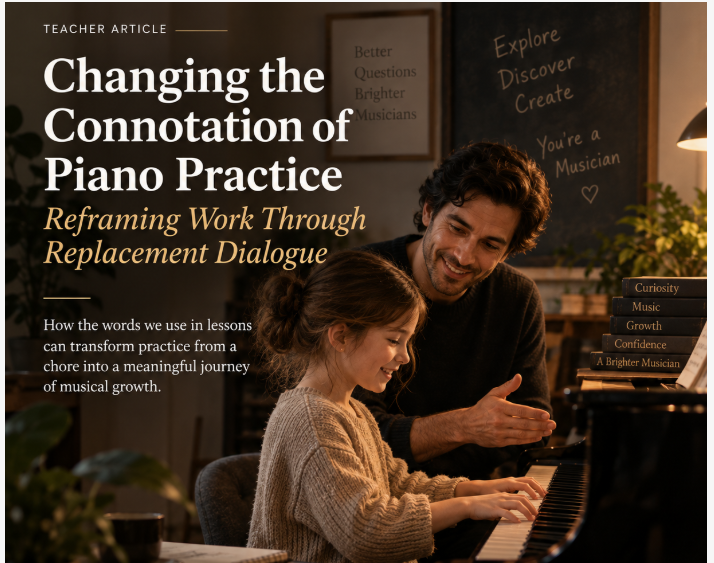
Changing the Connotation of Piano Practice
Published · Updated
Many students think of piano practice as something they have to do. But often it isn't the practice itself that creates resistance--it's the way we talk about it. This article explores how piano teachers can use simple changes in language to make piano practice feel more meaningful, enjoyable, and motivating. By replacing directive phrases with language that encourages curiosity, ownership, and musical discovery, teachers can maintain high standards while helping students build confidence and a lifelong love of music.
Helping Students Enjoy Practice Through Replacement Dialogue
PEvery piano teacher has heard it:
"I didn't have time to practice."
Or perhaps:
"Practice is boring."
It's easy to assume the problem is a lack of discipline. But sometimes the issue isn't the work itself—it's how students experience that work.
The words we choose as teachers can shape that experience far more than we realize.
Marlene Moore's Back to Basics Piano philosophy reminds us that students learn best when they feel curiosity rather than pressure. Her approach doesn't suggest lowering expectations or avoiding discipline. Instead, it encourages teachers to present practice as a journey of discovery rather than a list of obligations.
This idea is also supported by research in educational psychology. Students tend to stay motivated longer when they feel they are actively participating in their own learning instead of simply following instructions.
One simple way to achieve this is through what Moore calls replacement dialogue.
Instead of saying:
"You need to practice this."
A teacher might say:
"Let's see what you discover in this passage today."
Instead of:
"Play this section five more times."
Try:
"Let's see if each repetition makes this phrase feel more natural."
The task hasn't changed.
Only the language has.
Yet that small change can completely transform how students approach practice.
Purpose is equally important.
Students are far more willing to practice when they understand why they're doing something.
Rather than saying:
"Play this scale five times."
You might explain:
"Let's warm up your fingers so this piece feels easier and more comfortable to play."
The exercise becomes part of a musical goal instead of an isolated assignment.
Another powerful idea is helping students develop their musical identity.
Instead of feeling like children completing homework, they begin to see themselves as musicians.
Simple phrases such as:
"This is how pianists build beautiful tone."
or
"Every practice session helps shape your musical voice."
can gradually change how students think about themselves.
That shift often becomes more powerful than any practice chart.
This approach is especially valuable for younger students.
Some arrive at lessons tired after school.
Others feel nervous or overwhelmed.
A calm, inviting way of speaking helps them settle into the lesson and creates an environment where they are willing to experiment without fear of making mistakes.
Giving small choices can also increase engagement.
For example:
"Would you like to start with scales or your favourite piece?"
or
"Should we play this slowly first, or see what happens at full tempo?"
Students still have structure, but they also feel ownership.
None of this means lowering expectations.
Students still need consistency.
They still need repetition.
They still need focused work.
The goal is simply to help them experience that work differently.
Instead of seeing practice as something imposed by the teacher, they begin to see it as an opportunity to grow, solve problems, and become more expressive musicians.
Changing a student's relationship with piano practice doesn't always require a new method or more assignments.
Sometimes it begins with something much simpler:
the words we choose.
What this supports
- piano practice motivation
- motivating piano students
- positive piano teaching
- piano lesson strategies
- music education
- intrinsic motivation
- student engagement
- effective piano teaching
Works Cited
Dweck, Carol. Mindset: The New Psychology of Success. Random House, 2006.
Hallam, Susan. “The Development of Metacognition in Musicians: Implications for Education.” British Journal of Music Education, vol. 18, no. 3, 2001, pp. 271–283.
Moore, Marlene. Back to Basics Piano. Moore Music Press, 2018.
Reeve, Johnmarshall. Understanding Motivation and Emotion. Wiley, 2018.
Schumann, Robert. Advice to Young Musicians. Translated by Henry Hugo Pierson, Leipzig, 1860.
Related articles
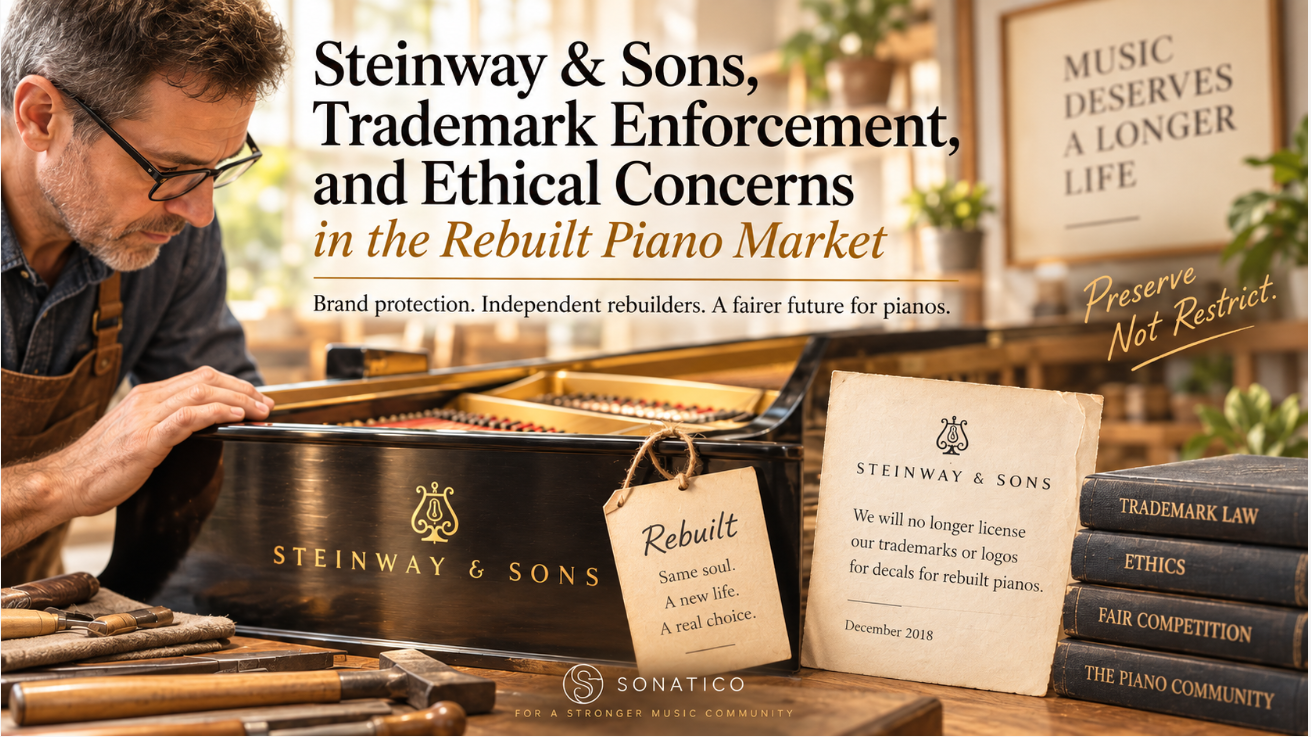
Rebuilt Steinway Pianos: Trademark Policies, Decals, and Questions of Fair Competition
When a genuine Steinway piano is rebuilt with replacement or aftermarket parts, can it still be described and sold as a Steinway? This article examines Steinway & Sons' trademark rights, its 2018 policy concerning Steinway decals and rebuilt pianos, and the concerns raised by the Piano Technicians Guild about independent piano rebuilders and fair competition. The central issue is the difference between protecting consumers from misleading branding and controlling how an authentic Steinway piano may be restored, serviced, and described. The article argues that clear disclosure--explaining that a piano has been rebuilt, identifying who completed the work, and accurately describing its replacement parts--offers a more balanced approach for manufacturers, rebuilders, and buyers.
Justin Vidad-Menezes ·
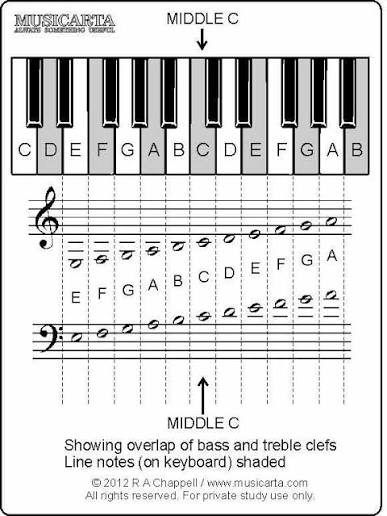
How to Teach Keyboard Geography to Beginners Without Flashcards or Memorization
This document explains why beginner piano students should learn keyboard geography through tactile and spatial activities rather than flashcards or memorization. It argues that flashcards can help with note naming, but they separate notes from the physical experience of finding them on the keyboard. Instead, the document recommends embodied learning strategies that help students develop spatial awareness, pattern recognition, and muscle memory. Suggested activities include using black-key groups as landmarks, moving by intervals, finding repeated notes across the keyboard, and beginning sight-reading exercises by identifying tactile landmarks. The main idea is that students learn the keyboard more deeply when they feel and navigate it as a physical map, rather than simply memorizing note names. This approach is supported by research on tactile learning, haptic feedback, and embodied cognition, and it aims to build confidence, accuracy, and musical independence.
Justin Vidad-Menezes ·
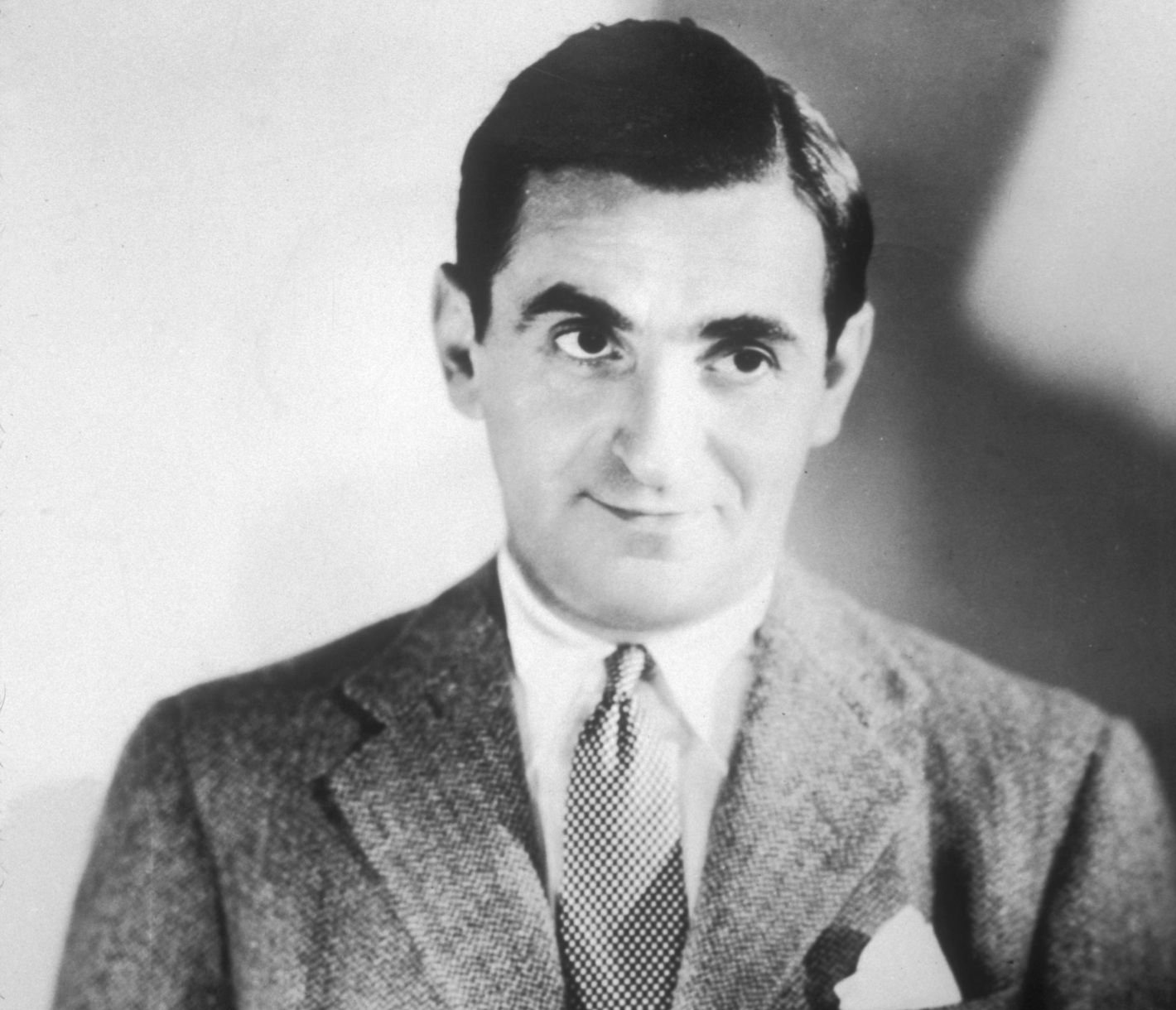
Irving Berlin and the Importance of Developing the Ear in Music
Who Irving Berlin Was (and why he matters): Russian-born American composer and lyricist, active from 1907-1971. Wrote an estimated 1,500 songs, including White Christmas, God Bless America, Blue Skies, Cheek to Cheek, and Puttin' on the Ritz. His music forms a major part of the Great American Songbook. Received an Academy Award, Grammy, Tony, and the Presidential Medal of Freedom. Wrote an estimated 1,500 songs, including White Christmas, God Bless America, Blue Skies, Cheek to Cheek, and Puttin' on the Ritz. His music forms a major part of the Great American Songbook. Received an Academy Award, Grammy, Tony, and the Presidential Medal of Freedom.
Justin Vidad-Menezes ·
Conversation
No comments yet. Start the conversation.
Join the conversation