

Adapting to Online Music Teaching: Strategies for Success
Published · Updated
Explore effective strategies to adapt music teaching to an online environment, ensuring student engagement and holistic learning.
Introduction
Adapting to teaching music online presents numerous challenges and opportunities. From technical considerations like equipment and software to keeping students engaged, educators must navigate a new landscape. However, online teaching can also provide unique insights into students' learning environments and offer innovative ways to enhance their musical development.
Mentor Your Students' Practice Sessions
Online teaching grants access to your students' practice environments, allowing you to observe their routines and habits. This insight helps you offer tailored advice, ensuring effective practice sessions. Encourage younger students' parents to assist by maintaining practice logs or ensuring optimal camera positioning during lessons.
Focus on the Details
The digital space offers opportunities for close-up views of students' techniques. Utilize additional cameras or angles to monitor posture and hand positions closely. Exaggerate your own movements during demonstrations to enhance understanding of correct techniques and sensations involved in playing instruments.
Engage Your Students
Engagement is crucial in online lessons. Leverage multimedia resources such as videos, audio files, and interactive activities to keep lessons dynamic. Utilize technology like musical score annotations or pre-recorded accompaniments for voice students. Apps like RCM Online Ear Training can further enhance musicianship skills.
Go Offline to Record Performances
Encourage students to record performances ahead of lessons, fostering self-assessment skills. Reviewing these recordings during lessons helps develop critical listening abilities and provides focused feedback on performance aspects that require improvement.
Opt for Shorter Lessons
Maintaining focus during extended online sessions can be challenging. Consider shorter but more frequent lessons to reduce screen fatigue while maintaining engagement and learning continuity.
Conclusion
Adapting music education to an online format requires creativity and flexibility. By embracing the digital space's possibilities, educators can continue nurturing their students' musical growth effectively. Explore resources on platforms like Sonatico for further support in your online teaching journey.
Related articles
Beyond the Score: Teaching Students to Improvise with the 12-Bar Blues
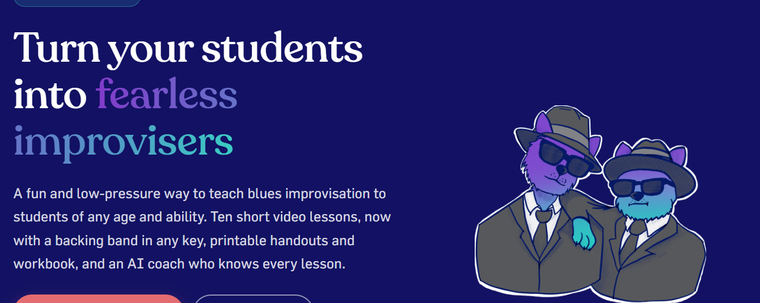
Teaching the 12 Bar Blues by Australian piano teacher and TopMusic founder Tim Topham is a practical course designed to help piano teachers introduce improvisation--even if they have little or no improvisation or jazz experience themselves. Through ten short, structured lessons, teachers learn how to introduce the 12-bar blues, blues scales, grooves, chords, and improvisation in a way that students can quickly enjoy and understand. The updated 2026 edition adds practical teaching tools including the Blues Jam Room, an AI blues coach, customizable handouts, a companion workbook, and an audio version of the course. At its heart, the course is about giving students another way to experience music: not only playing what is written on the page, but listening, experimenting, creating, and enjoying the freedom of improvisation.
Sonatico Team ·
What can a beginner trumpet player and an experienced flutist play together?
A reflection on difficulty, ensemble playing, and how adaptive arrangements could support mixed-level musicians.
Sonatico Team ·
Transforming Challenges into Opportunities: A Music Teacher's Success Story
Discover how a music teacher turned the COVID-19 pandemic challenge into a success by creating an innovative app that revolutionized online music teaching.
Administrator ·

Conversation
No comments yet. Start the conversation.
Join the conversation