
Music resources & articles

Practice guides, theory explainers and teaching insights from Sonatico teachers and the Sonatico team.

  • Beyond the Score: Teaching Students to Improvise with the 12-Bar Blues

    Teaching the 12 Bar Blues by Australian piano teacher and TopMusic founder Tim Topham is a practical course designed to help piano teachers introduce improvisation--even if they have little or no improvisation or jazz experience themselves. Through ten short, structured lessons, teachers learn how to introduce the 12-bar blues, blues scales, grooves, chords, and improvisation in a way that students can quickly enjoy and understand. The updated 2026 edition adds practical teaching tools including the Blues Jam Room, an AI blues coach, customizable handouts, a companion workbook, and an audio version of the course. At its heart, the course is about giving students another way to experience music: not only playing what is written on the page, but listening, experimenting, creating, and enjoying the freedom of improvisation.

    Sonatico Team ·
  • Changing the Connotation of Piano Practice

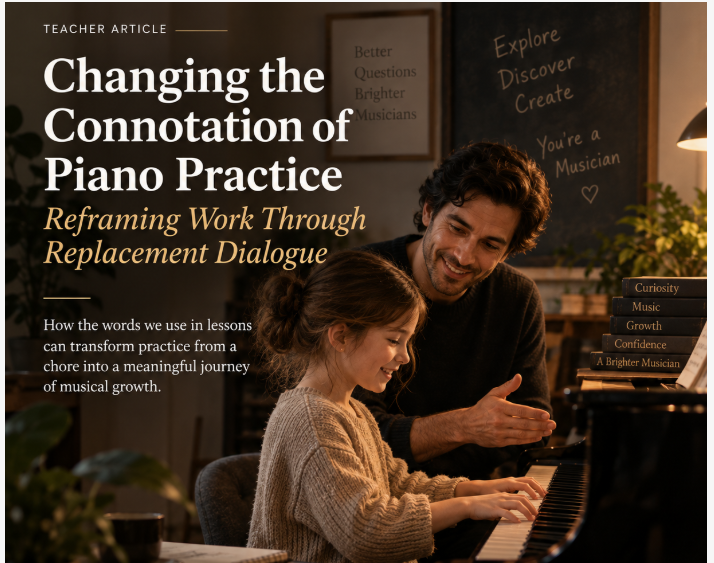
    Many students think of piano practice as something they have to do. But often it isn't the practice itself that creates resistance--it's the way we talk about it. This article explores how piano teachers can use simple changes in language to make piano practice feel more meaningful, enjoyable, and motivating. By replacing directive phrases with language that encourages curiosity, ownership, and musical discovery, teachers can maintain high standards while helping students build confidence and a lifelong love of music.

    Justin Vidad-Menezes ·

  • Rebuilt Steinway Pianos: Trademark Policies, Decals, and Questions of Fair Competition

    When a genuine Steinway piano is rebuilt with replacement or aftermarket parts, can it still be described and sold as a Steinway? This article examines Steinway & Sons' trademark rights, its 2018 policy concerning Steinway decals and rebuilt pianos, and the concerns raised by the Piano Technicians Guild about independent piano rebuilders and fair competition. The central issue is the difference between protecting consumers from misleading branding and controlling how an authentic Steinway piano may be restored, serviced, and described. The article argues that clear disclosure--explaining that a piano has been rebuilt, identifying who completed the work, and accurately describing its replacement parts--offers a more balanced approach for manufacturers, rebuilders, and buyers.

    Justin Vidad-Menezes ·

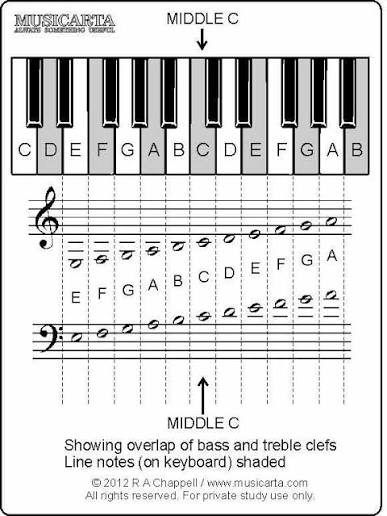
  • How to Teach Keyboard Geography to Beginners Without Flashcards or Memorization

    This document explains why beginner piano students should learn keyboard geography through tactile and spatial activities rather than flashcards or memorization. It argues that flashcards can help with note naming, but they separate notes from the physical experience of finding them on the keyboard. Instead, the document recommends embodied learning strategies that help students develop spatial awareness, pattern recognition, and muscle memory. Suggested activities include using black-key groups as landmarks, moving by intervals, finding repeated notes across the keyboard, and beginning sight-reading exercises by identifying tactile landmarks. The main idea is that students learn the keyboard more deeply when they feel and navigate it as a physical map, rather than simply memorizing note names. This approach is supported by research on tactile learning, haptic feedback, and embodied cognition, and it aims to build confidence, accuracy, and musical independence.

    Justin Vidad-Menezes ·

  • Lifelong Learning for Music Teachers: Why Great Teachers Keep Learning

    The best music teachers never stop being students themselves. This reflection explores how lifelong learning, professional development, and discovering new music education resources help teachers grow, inspire their students, and become more effective educators.

    John Lettieri ·

  • Why Motivation Keeps Failing You

    Motivation gets you started, but discipline is what turns goals into real results. Discover why lasting success in music, sports, health, business, and everyday life depends far more on consistent discipline than on temporary motivation.

    Paul Mark ·

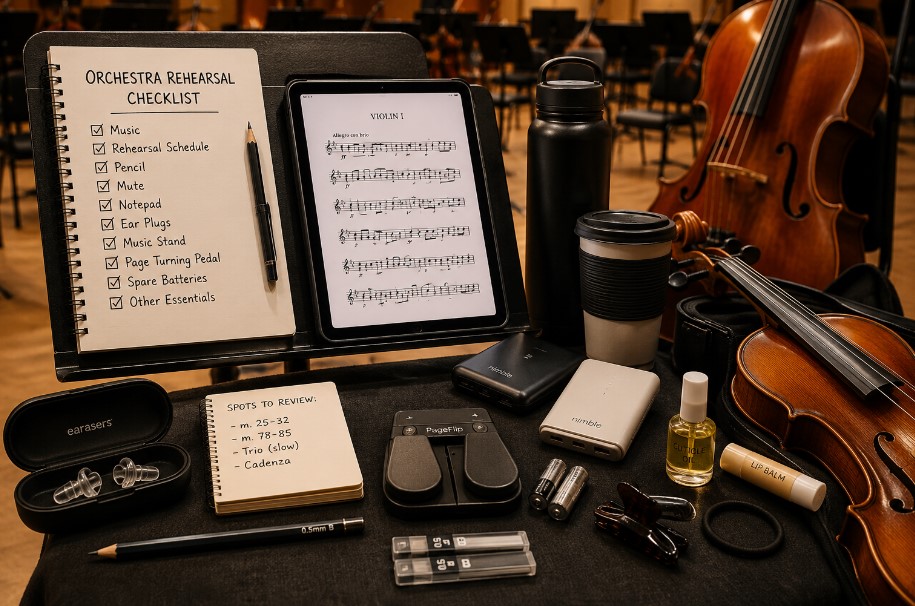
  • Orchestra Rehearsal Guide, Part I: What should I bring to rehearsal?

    Most of my students started playing in orchestra classes, but some of them don't have orchestra classes available at their middle schools. When they join the high school orchestra, they're entering an established social group, often with inferred rules. I thought this information might be helpful for other young students as well.

    Megan Weaver ·

  • How to Maintain Music Practice Habits During Summer Break

    Summer brings freedom, vacations, and changing schedules--but it can also make it easy for music practice to disappear completely. By creating a simple and realistic practice routine, students can continue making progress, retain skills, and return to lessons feeling confident instead of starting over each fall.

    Collin Braley ·

  • How Often Should You Practice Music to Actually Improve?

    Many music students believe progress comes from practicing for long periods of time. In reality, consistency matters far more than occasional marathon practice sessions. Understanding how skill develops can help students set realistic expectations, stay motivated, and make steady progress toward their musical goals.

    Avi Blum ·

  • What Keeps a Musical Community Alive?

    A reflection on the history of the Yukon Registered Music Teachers' Association and the people, relationships, and shared commitment that help musical communities endure across generations.

    Administrator ·

  • Why Music Teachers Should Remain Active Professional Musicians

    The best music teachers never stop being musicians. Active performance enriches teaching, while teaching develops the skills that help musicians continue growing throughout their careers.

    John Lettieri ·

    • music education
    • music teacher
    • professional musician
    • music performance
    • performing musician
    • music students
    • music teaching
    • music career
    • performing arts
    • music professional development
    • teaching music
    • musician life
    • music community
    • sonatico
  • Practice Doesn't Make Perfect: Why Consistency Matters More in Music

    Many musicians grow up believing that "practice makes perfect," but perfection is a moving target that can leave people feeling permanently unprepared. Music is less like an exam and more like a language: its purpose is communication, expression, and connection. The musicians who stay with music for life are often not those chasing perfection, but those who consistently return to their instrument--even for ten minutes a day--and allow music to become part of everyday life.

    Administrator ·

    • practice makes perfect
    • piano practice
    • music practice
    • adult piano lessons
    • learning piano as an adult
    • piano motivation
    • music education
    • piano teacher
    • music mindset
    • beginner piano students
    • music learning
    • piano habits
    • consistency in music
    • learning music
    • Sonatico