
Why Music Teachers Should Remain Active Professional Musicians
Published
The best music teachers never stop being musicians. Active performance enriches teaching, while teaching develops the skills that help musicians continue growing throughout their careers.
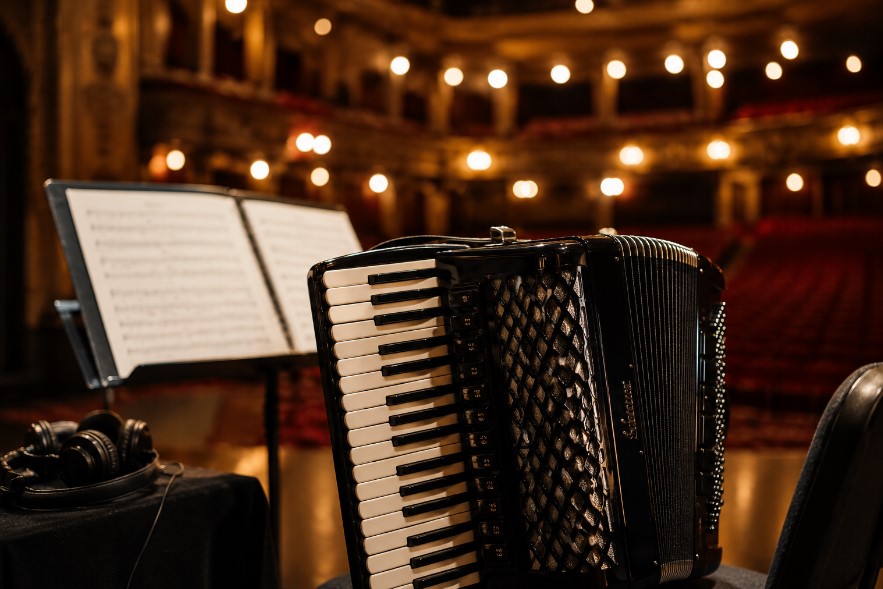
Yesterday afternoon, I completed a performance with the band supporting the final show of Fiddler on the Roof at Toronto's historic Elgin Theatre. Experiences like these remind me why I have always tried to remain active as both a music teacher and a professional musician throughout my career.
In my experience, music education and professional performance complement each other in powerful ways.
As an active performing musician, I have had opportunities to develop professional relationships, collaborate with artists, and build a network within the music community. These connections have often created valuable opportunities for my music students, including access to concerts, workshops, masterclasses, and interactions with other musicians.
Just as importantly, performing continues to challenge me artistically. Working alongside other professional musicians deepens my musical understanding, strengthens my skills, and exposes me to new ideas and perspectives. In many ways, performing has been an ongoing form of professional development that directly benefits my teaching.
The relationship works both ways.
My work as a music educator has also made me a stronger musician.
Successful music teaching requires far more than musical knowledge alone. A music teacher must learn to be organized, prepared, patient, flexible, responsible, and committed to lifelong learning. Research, communication, leadership, and problem-solving become part of everyday teaching practice. These skills have positively influenced my work as a performer and helped me navigate the professional music world more effectively.
For this reason, I encourage music teachers not to forget why they entered the profession in the first place: a love of making music.
Becoming a music educator does not mean giving up your identity as a musician.
In fact, students often appreciate and respect teachers who continue to perform. When students see their teacher actively engaged in music performance, it reinforces the idea that music is not simply a subject to study—it is a living art form. Sharing performance experiences, rehearsal stories, and musical challenges helps students connect their lessons to the real world of music.
If you are looking for opportunities to perform, consider becoming involved with a community orchestra, concert band, church music program, theatre production, chamber ensemble, or even creating your own small group.
Staying active as a musician keeps your skills sharp, expands your perspective, and provides continuous opportunities for growth.
Most importantly, it reminds us that music teaching and music making are not separate pursuits.
The strongest music educators are often those who continue to learn, perform, and grow alongside their students.
Related articles
Practice Doesn't Make Perfect: Why Consistency Matters More in Music
Many musicians grow up believing that "practice makes perfect," but perfection is a moving target that can leave people feeling permanently unprepared. Music is less like an exam and more like a language: its purpose is communication, expression, and connection. The musicians who stay with music for life are often not those chasing perfection, but those who consistently return to their instrument--even for ten minutes a day--and allow music to become part of everyday life.
Administrator ·
Why Adults Quit Piano (And Why It Has Nothing To Do With Talent)
Most adults who quit piano assume they lack talent, but the real problem is often the learning process itself. Many students spend months practicing scales, exercises, and theory without experiencing the thing that motivated them to start: making music. When students connect learning to real musical experiences early, motivation becomes natural and progress accelerates. The issue is rarely talent. More often, it's the order in which music is taught.
Amanda Sulivan ·
Unlocking Piano Mastery: Building Hand Coordination for Adult Beginners
Discover a new approach to piano learning that focuses on building hand coordination through strategic, step-by-step techniques.
Administrator ·
Conversation
No comments yet. Start the conversation.
Join the conversation