
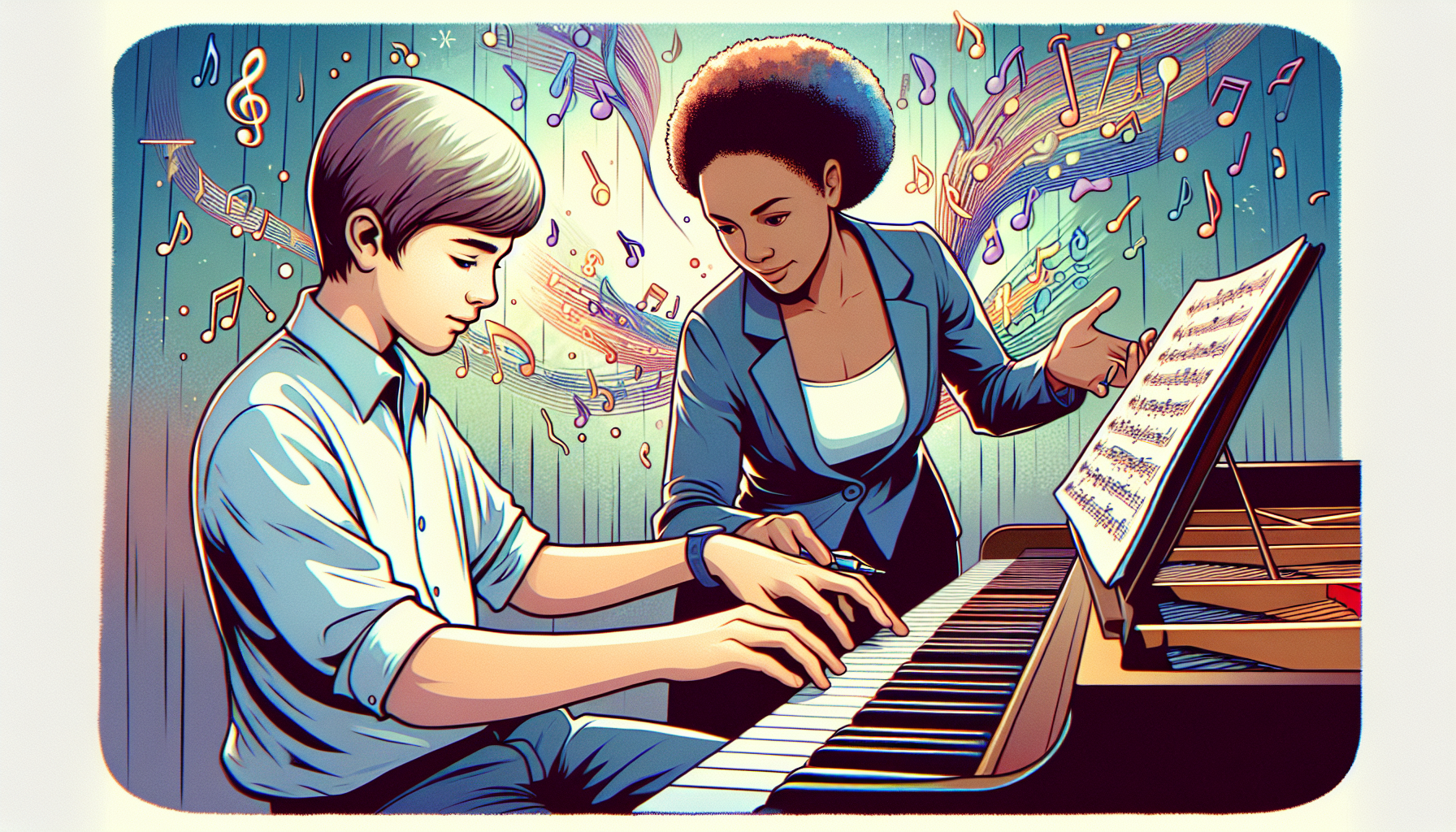
Mastering Piano Practice: The Smart Way to Learn
Published
Unlock effective piano practice by focusing on strategic exercises and personalized guidance to play your favorite songs with confidence.
The Misunderstood Art of Piano Practice
In the world of piano learning, the word 'practice' often conjures up images of endless repetition and frustration. Many beginners hear phrases like "Just keep practicing" or "Practice makes perfect," but the truth is, practice only leads to improvement when done correctly.
A Common Misconception
It's not uncommon for new pianists to feel they've hit a wall. They're neither lazy nor untalented; rather, they're often practicing without a clear system or direction. It's like trying to bake a cake without a recipe--chaotic and ultimately unsatisfying.
The Path to Real Progress
So, what does effective practice look like? Here are some key elements:
- Focused Learning: Work on specific skills that enable you to play your favorite pieces.
- Smart Exercises: Engage in exercises that build towards a professional sound quickly.
- Timely Feedback: Receive guidance to prevent bad habits from taking root.
The goal is not just to practice more but to practice smarter. By following a structured curriculum that builds essential skills step-by-step, you can make significant progress.
The Role of Guidance
Even with the right system, every learner encounters challenges. That's where support comes in. Whether it's through teachers, fellow learners, or online communities, having someone to turn to can make all the difference when you're stuck.
Find a TeacherYour Next Step
If you're ready to break free from ineffective practice routines and start playing your favorite songs in months rather than years, consider reaching out for personalized help. Learn More
Related articles
Practice Doesn't Make Perfect: Why Consistency Matters More in Music
Many musicians grow up believing that "practice makes perfect," but perfection is a moving target that can leave people feeling permanently unprepared. Music is less like an exam and more like a language: its purpose is communication, expression, and connection. The musicians who stay with music for life are often not those chasing perfection, but those who consistently return to their instrument--even for ten minutes a day--and allow music to become part of everyday life.
Administrator ·
Why Adults Quit Piano (And Why It Has Nothing To Do With Talent)
Most adults who quit piano assume they lack talent, but the real problem is often the learning process itself. Many students spend months practicing scales, exercises, and theory without experiencing the thing that motivated them to start: making music. When students connect learning to real musical experiences early, motivation becomes natural and progress accelerates. The issue is rarely talent. More often, it's the order in which music is taught.
Amanda Sulivan ·
Unlocking Piano Mastery: Building Hand Coordination for Adult Beginners
Discover a new approach to piano learning that focuses on building hand coordination through strategic, step-by-step techniques.
Administrator ·
Conversation
No comments yet. Start the conversation.
Join the conversation