
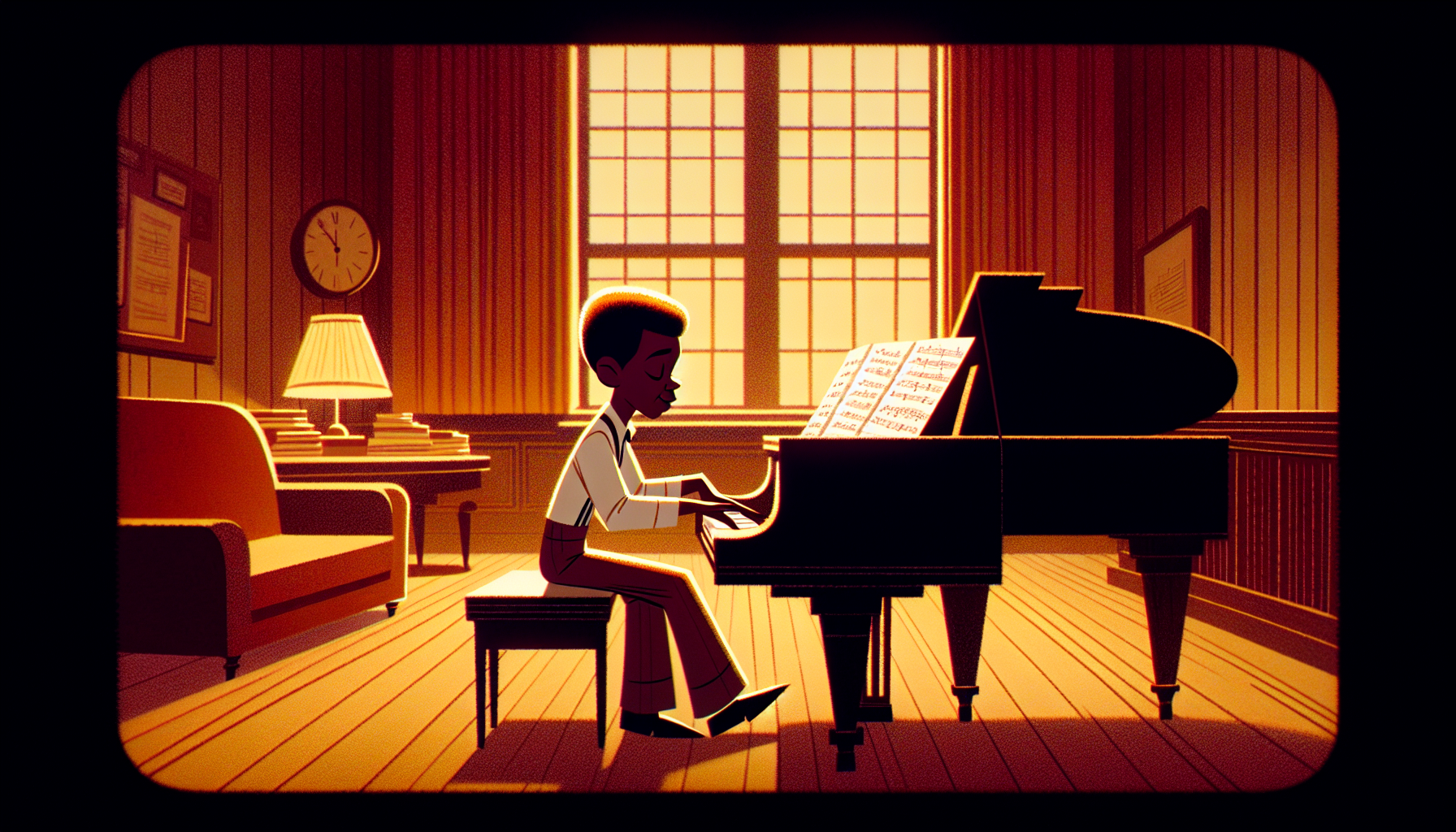
Mastering the Art of Piano: The Difference Between Playing and Practicing
Published
Discover the crucial difference between playing and practicing piano to unlock your musical potential with strategic and focused practice.
Understanding the Distinction: Playing vs. Practicing Piano
For many beginners, the journey into the world of piano often starts with a simple mistake--confusing playing with practicing. It's easy to sit down, tinker with familiar tunes, and label it as practice, but there's a fundamental difference that can significantly impact your progress.
Why Playing Isn't Practicing
Playing is what you do once you've built the skills; it's the fun, expressive part of music where you showcase what you've learned. In contrast, practicing is about skill-building. It's focused, strategic, and repeatable. It targets specific skills to strengthen them, much like an athlete refining movement patterns or a language learner drilling vocabulary.
The Pitfalls of Blurring the Lines
If you blur these lines, you're likely to remain stuck in the same musical rut for weeks, months, or even years. This lack of intentionality leads to a common experience among beginners:
- Starting songs but never finishing them
- Struggling with hand coordination
- Constantly second-guessing yourself and feeling frustrated
- Doubting your musical abilities
The Power of Intentional Practice
When you embrace true practice, everything changes. Suddenly, things click into place. You stop overthinking each note; your hands start working together harmoniously. You finish songs you love, and they sound great. Ultimately, you feel proud of what you're playing.
The SONATICO Approach to Piano Practice
This transformation is precisely what we aim to create at SONATICO. Our approach isn't about cramming in hours at the keyboard. It's about providing you with a structured plan so that every time you sit down to practice, you're making genuine progress.
You transition from feelings of confusion and defeat to playing your favorite songs within months--not years. With clarity and confidence backed by a strategy that truly works.
Learn MoreFind a Teacher
Related articles
Practice Doesn't Make Perfect: Why Consistency Matters More in Music
Many musicians grow up believing that "practice makes perfect," but perfection is a moving target that can leave people feeling permanently unprepared. Music is less like an exam and more like a language: its purpose is communication, expression, and connection. The musicians who stay with music for life are often not those chasing perfection, but those who consistently return to their instrument--even for ten minutes a day--and allow music to become part of everyday life.
Administrator ·
Why Adults Quit Piano (And Why It Has Nothing To Do With Talent)
Most adults who quit piano assume they lack talent, but the real problem is often the learning process itself. Many students spend months practicing scales, exercises, and theory without experiencing the thing that motivated them to start: making music. When students connect learning to real musical experiences early, motivation becomes natural and progress accelerates. The issue is rarely talent. More often, it's the order in which music is taught.
Amanda Sulivan ·
Unlocking Piano Mastery: Building Hand Coordination for Adult Beginners
Discover a new approach to piano learning that focuses on building hand coordination through strategic, step-by-step techniques.
Administrator ·
Conversation
No comments yet. Start the conversation.
Join the conversation