
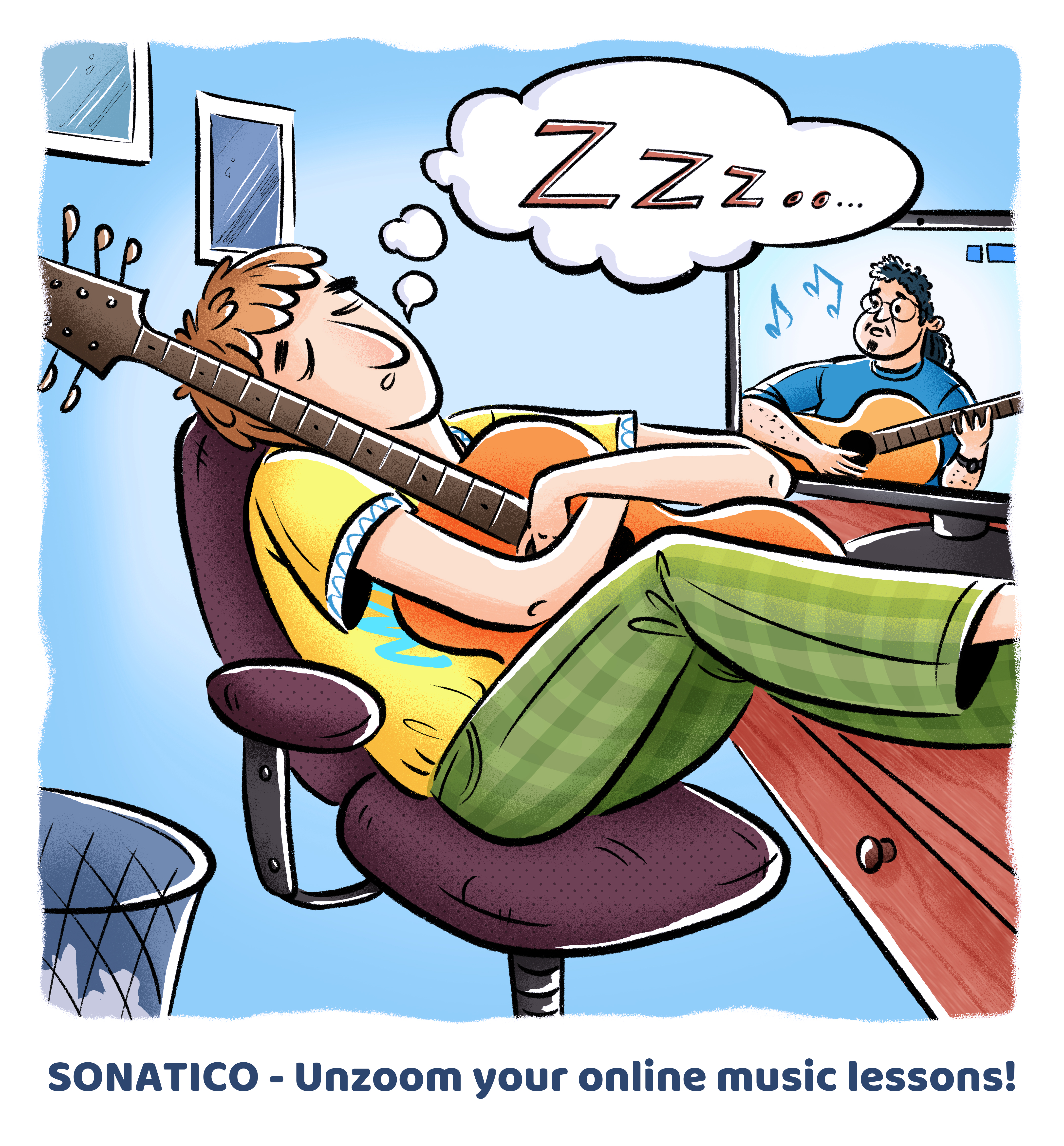
Why Online Music Lessons with Sonatico Are Superior to Zoom
Published · Updated
Explore why Sonatico offers a more tailored and effective online music lesson experience compared to Zoom, focusing on quality, customization, and interactivity.
Introduction
In today's digital age, online music lessons have become increasingly popular. While platforms like Zoom are commonly used for virtual learning, specialized platforms such as Sonatico offer significant advantages for music education. This article delves into why Sonatico provides a superior experience compared to generic video conferencing tools like Zoom.
Tailored for Music Education
Sonatico is specifically designed with musicians in mind. Unlike Zoom, which is a general-purpose tool, Sonatico offers features that cater directly to the needs of music students and teachers. This includes high-quality audio settings optimized for musical tones and the ability to share sheet music in real-time.
Enhanced Audio Quality
The importance of audio quality in music lessons cannot be overstated. Sonatico utilizes advanced audio processing technology that captures the nuances of musical instruments and vocals, providing a clearer and more realistic sound than what is typically experienced on Zoom.
Interactive Tools
Sonatico includes interactive tools such as virtual keyboards and metronomes that integrate seamlessly into the lesson environment. These tools enhance the learning experience by allowing teachers and students to collaborate more effectively than they could on a standard video call.
Customization and Flexibility
One of the standout features of Sonatico is its ability to personalize lessons. Teachers can customize their teaching materials and lesson plans according to each student's progress and needs. This level of customization is not readily available on Zoom, which lacks educational-specific features.
User-Friendly Interface
The user interface of Sonatico is intuitive and specifically designed for music education. It allows easy access to lesson recordings, practice schedules, and feedback from instructors, helping students manage their learning efficiently.
Seamless Integration
Sonatico seamlessly integrates with multiple devices and platforms, making it accessible whether you're using a desktop computer or mobile device. This flexibility ensures that lessons are not restricted by location or equipment constraints, unlike some limitations faced when using Zoom.
The Community Aspect
Another advantage of using Sonatico over Zoom is the sense of community it fosters among musicians. By connecting with other students and teachers through a dedicated platform, learners can share experiences, collaborate on projects, and participate in community events.
A Platform Dedicated to Growth
This sense of community encourages continuous growth and motivation among students. By interacting with peers who share similar ambitions, students are more likely to stay engaged and committed to their musical journey.
Conclusion
While Zoom serves its purpose as a general communication tool, it lacks the specialized features necessary for effective music education. Sonatico stands out by offering an enriched learning experience tailored specifically for musicians. For those seeking to maximize their online learning potential in music, exploring what Sonatico has to offer could be a game-changer.
If you're interested in exploring dedicated music lessons on a platform designed specifically for your needs, visit our teacher search page.
Related articles
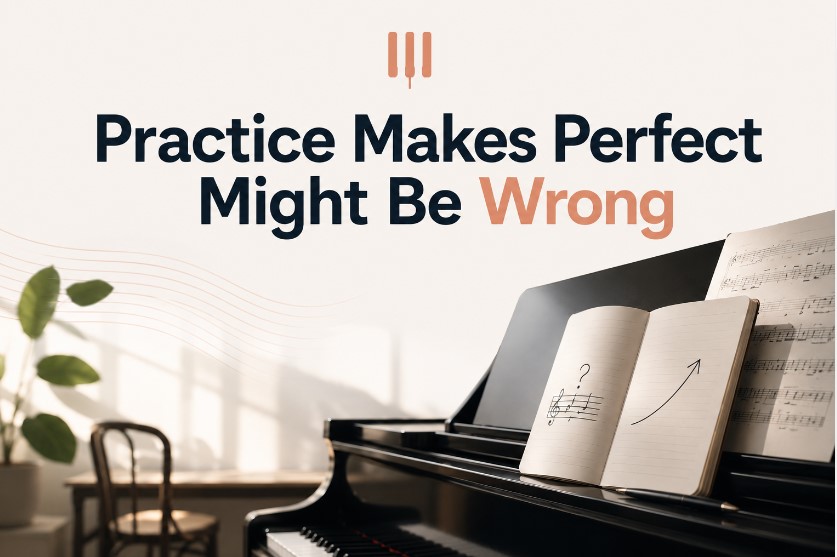
Practice Doesn't Make Perfect: Why Consistency Matters More in Music
Many musicians grow up believing that "practice makes perfect," but perfection is a moving target that can leave people feeling permanently unprepared. Music is less like an exam and more like a language: its purpose is communication, expression, and connection. The musicians who stay with music for life are often not those chasing perfection, but those who consistently return to their instrument--even for ten minutes a day--and allow music to become part of everyday life.
Administrator ·
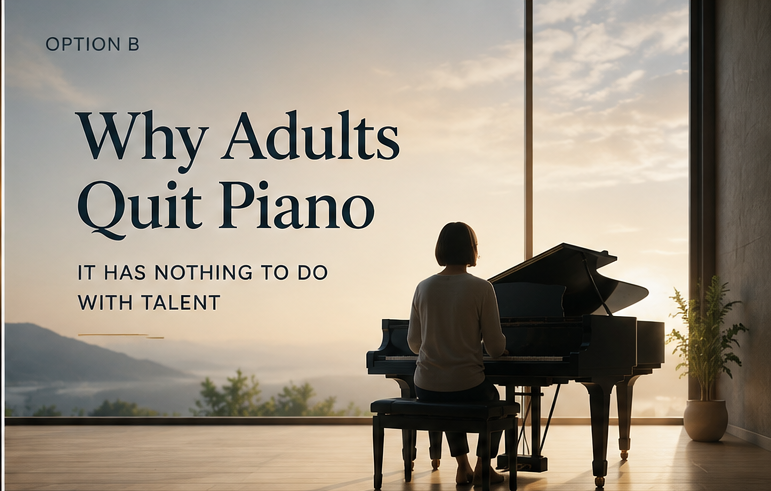
Why Adults Quit Piano (And Why It Has Nothing To Do With Talent)
Most adults who quit piano assume they lack talent, but the real problem is often the learning process itself. Many students spend months practicing scales, exercises, and theory without experiencing the thing that motivated them to start: making music. When students connect learning to real musical experiences early, motivation becomes natural and progress accelerates. The issue is rarely talent. More often, it's the order in which music is taught.
Amanda Sulivan ·
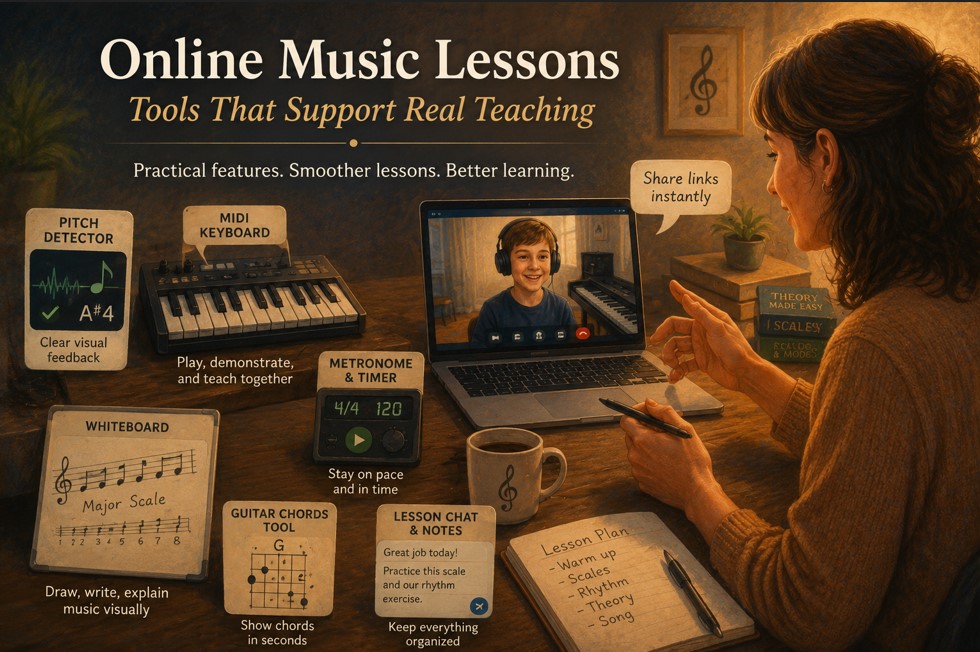
Music Teaching Tools That Actually Support the Lesson
Effective online music teaching depends not only on video calls, but on the tools surrounding the lesson itself. Integrated workflows such as MIDI keyboard support, pitch detection, metronomes, whiteboards, lesson chat, and music theory tools help teachers reduce friction and create a more natural teaching environment online.
Collin Braley ·
Conversation
No comments yet. Start the conversation.
Join the conversation