
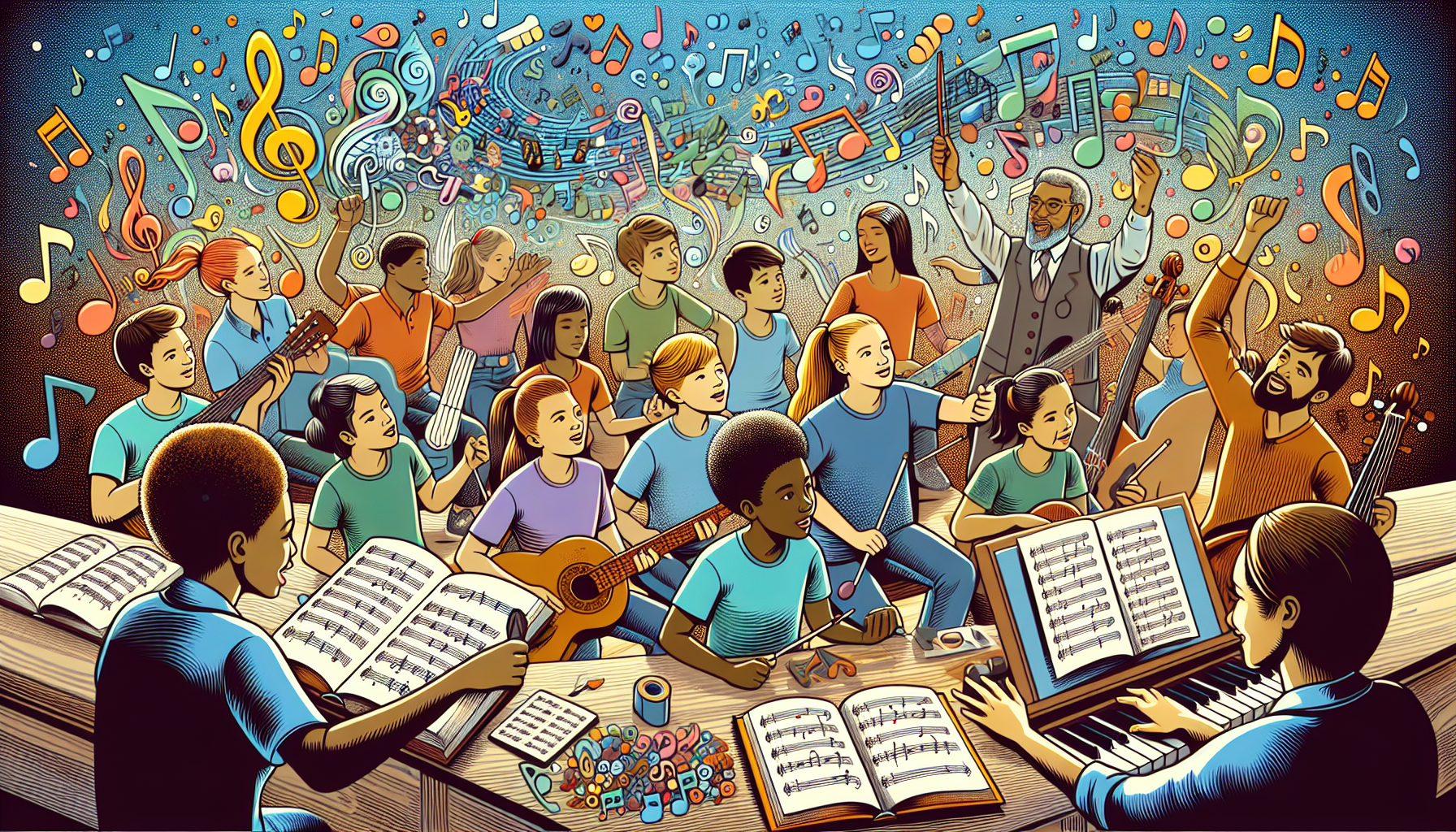
"Do-Re-Mi" Demystified: Solfège for Absolute Beginners
Published
Explore the basics of solfège with our beginner's guide to understanding 'Do-Re-Mi' and its role in music education.
Introduction to Solfège
Solfège, often recognized by the familiar 'Do-Re-Mi', is a method used to teach pitch and sight-singing in Western music. It's an essential tool for musicians, aiding them in understanding musical scales and intervals. Whether you're a complete novice or someone looking to brush up on your musical knowledge, solfège can be an invaluable skill to master.
The Origins of Solfège
The concept of solfège has a rich history, originating in the medieval era. Guido d'Arezzo, an Italian monk, is credited with creating the hexachord system that eventually evolved into modern solfège. His innovation allowed singers to learn chants more efficiently, laying the groundwork for contemporary music education.
The Basics of Solfège: Do-Re-Mi
Solfège syllables represent the notes of a scale. In the most common system, these are: Do, Re, Mi, Fa, Sol, La, Ti, and back to Do. Each syllable corresponds to a specific pitch in a major scale. For example, in the C major scale: C is Do, D is Re, E is Mi, and so on.
Why Learn Solfège?
Understanding solfège can significantly enhance your musical abilities. Here are some reasons why it's worth learning:
- Improved Pitch Accuracy: Solfège helps train your ear to recognize pitch accurately.
- Enhanced Sight-Singing: With practice, you'll be able to read and sing new music at sight.
- Musical Memory: Memorizing melodies becomes easier with solfège as it provides a structured approach to learning scales.
Getting Started with Solfège
If you're eager to dive into solfège, here are some steps to get started:
- Begin with a Major Scale: Choose a simple scale like C major and familiarize yourself with the corresponding solfège syllables.
- Practice Regularly: Consistent practice is key. Start by singing scales using solfège syllables daily.
- Tune Your Ear: Use a piano or digital tuner to help match your pitches accurately while singing.
Solfège in Practice
Solfège isn't just theoretical--it's highly practical. Music educators often use it as part of their teaching methods due to its effectiveness in training students' ears and voices. Many famous musicians have credited their success partly to early training in solfège.
Learn MoreThe Role of Technology in Learning Solfège
The digital age has brought numerous tools and apps that make learning solfège more accessible than ever. From interactive apps that offer real-time feedback to online tutorials that guide you through each step, technology has revolutionized how we approach music education today.
Find a TeacherConclusion
Solfège is more than just 'Do-Re-Mi'; it's a gateway into the world of music. By understanding and practicing these foundational concepts, you open up new possibilities for musical growth and appreciation. Whether you're an aspiring musician or simply someone who loves music profoundly, solfège offers valuable skills that can enhance your musical journey.
Related articles
Why Music Teachers Should Remain Active Professional Musicians
The best music teachers never stop being musicians. Active performance enriches teaching, while teaching develops the skills that help musicians continue growing throughout their careers.
John Lettieri ·
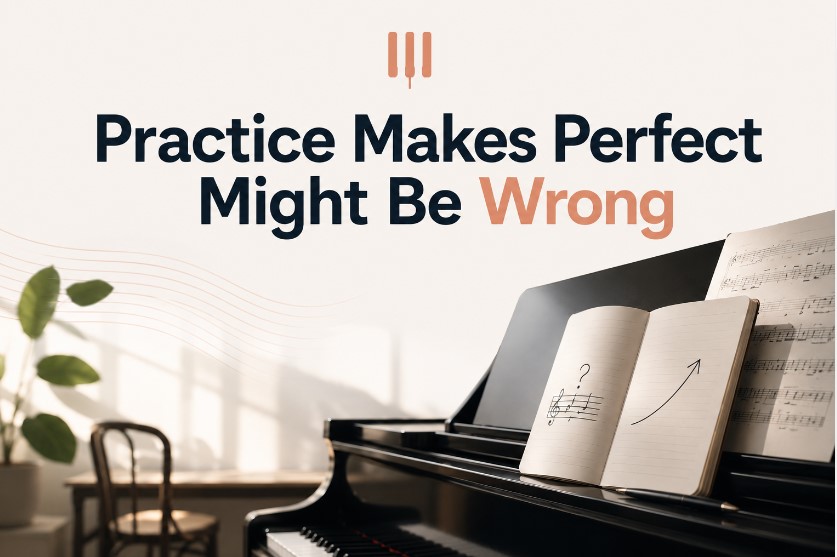
Practice Doesn't Make Perfect: Why Consistency Matters More in Music
Many musicians grow up believing that "practice makes perfect," but perfection is a moving target that can leave people feeling permanently unprepared. Music is less like an exam and more like a language: its purpose is communication, expression, and connection. The musicians who stay with music for life are often not those chasing perfection, but those who consistently return to their instrument--even for ten minutes a day--and allow music to become part of everyday life.
Administrator ·
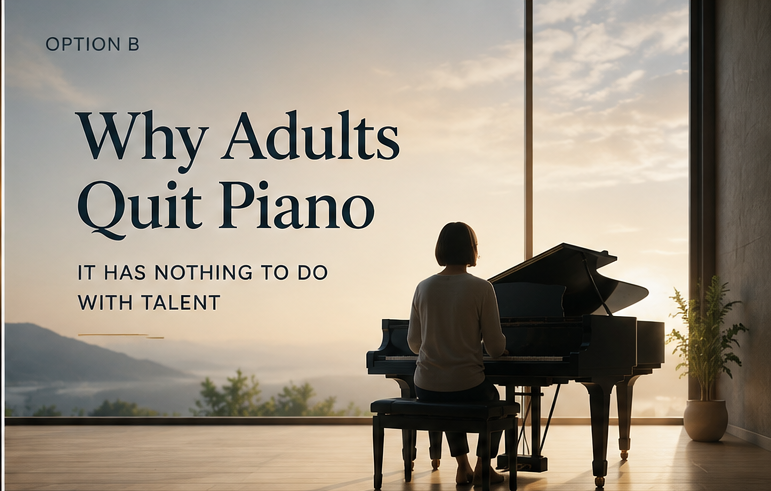
Why Adults Quit Piano (And Why It Has Nothing To Do With Talent)
Most adults who quit piano assume they lack talent, but the real problem is often the learning process itself. Many students spend months practicing scales, exercises, and theory without experiencing the thing that motivated them to start: making music. When students connect learning to real musical experiences early, motivation becomes natural and progress accelerates. The issue is rarely talent. More often, it's the order in which music is taught.
Amanda Sulivan ·
Conversation
No comments yet. Start the conversation.
Join the conversation