

How to Enhance Your Online Singing Lessons for Optimal Learning
Published
Explore effective strategies and tools to improve online singing lessons, ensuring engaging and productive learning experiences for students.
Introduction
Online singing lessons have become increasingly popular due to their convenience and flexibility. However, making these lessons as effective as face-to-face sessions can be challenging. This article discusses strategies for enhancing online singing lessons to maximize student engagement and learning outcomes.
Choose the Right Technology
Selecting the appropriate technology is crucial for delivering high-quality online singing lessons. Ensure you have a reliable internet connection, a good quality microphone, and a webcam. Platforms like Zoom, Skype, and Google Meet offer robust features for music lessons.
Microphone and Audio Settings
A high-quality microphone is essential for clear audio transmission. Consider using condenser microphones, which are sensitive and capture nuances in the voice well. Adjust your audio settings to minimize background noise and feedback.
Video Quality
High-definition video can significantly enhance the learning experience by allowing students to observe your demonstrations closely. Ensure your camera is positioned correctly so that students can see your mouth, posture, and gestures clearly.
Create an Interactive Learning Environment
An interactive environment keeps students engaged and motivated. Use screen sharing to show sheet music or vocal exercises. Encourage students to participate actively by asking questions and providing feedback.
Incorporate Multimedia Resources
Utilizing multimedia resources such as videos, audio recordings, and interactive apps can make lessons more dynamic. Platforms like Sonatico offer resources that can be integrated into your teaching methods.
Use Collaborative Tools
Tools like Google Docs or shared folders allow students to access lesson materials easily. These tools facilitate collaboration on assignments or projects outside of lesson time.
Personalize the Learning Experience
Cater to each student's unique needs by personalizing your teaching approach. Conduct assessments to understand their strengths and areas for improvement.
Set Clear Goals
Create specific, achievable goals for each student. This could be mastering a particular song or technique by a certain date. Regularly review these goals and adjust them as necessary.
Provide Constructive Feedback
Tailor feedback to help students improve. Use positive reinforcement to build confidence while addressing areas that need work constructively.
Ensure Consistent Practice
Singing requires regular practice for improvement. Encourage students to establish a consistent practice routine outside of lessons.
Create Practice Plans
Create structured practice plans that include exercises focusing on various aspects of singing, such as breath control, pitch accuracy, and dynamics.
Monitor Progress
Use regular check-ins to monitor student progress. This could be through video submissions or brief virtual meetings dedicated to discussing practice outcomes.
Find the Right Teacher
If you're a student looking for personalized guidance, consider finding an experienced online singing teacher who can help you achieve your goals effectively.
Conclusion
Migrating singing lessons online doesn't mean compromising on quality. By choosing the right technology, creating an interactive environment, personalizing learning experiences, and ensuring consistent practice, both teachers and students can enjoy productive online singing sessions.
Related articles
Why Music Teachers Should Remain Active Professional Musicians
The best music teachers never stop being musicians. Active performance enriches teaching, while teaching develops the skills that help musicians continue growing throughout their careers.
John Lettieri ·
Practice Doesn't Make Perfect: Why Consistency Matters More in Music
Many musicians grow up believing that "practice makes perfect," but perfection is a moving target that can leave people feeling permanently unprepared. Music is less like an exam and more like a language: its purpose is communication, expression, and connection. The musicians who stay with music for life are often not those chasing perfection, but those who consistently return to their instrument--even for ten minutes a day--and allow music to become part of everyday life.
Administrator ·
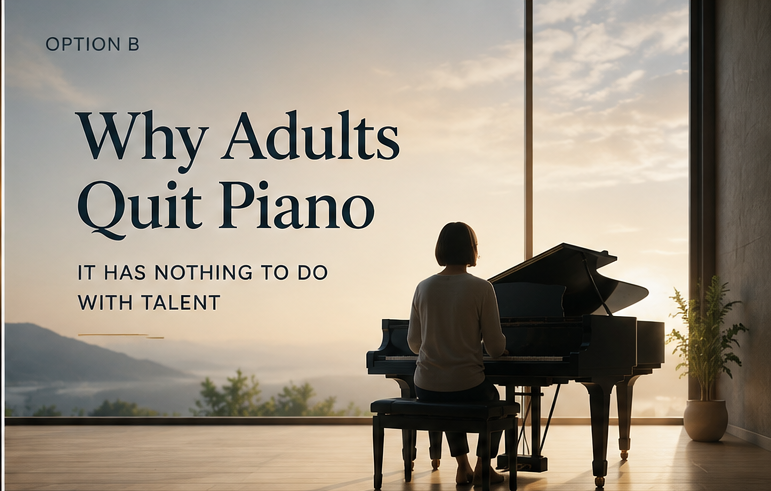
Why Adults Quit Piano (And Why It Has Nothing To Do With Talent)
Most adults who quit piano assume they lack talent, but the real problem is often the learning process itself. Many students spend months practicing scales, exercises, and theory without experiencing the thing that motivated them to start: making music. When students connect learning to real musical experiences early, motivation becomes natural and progress accelerates. The issue is rarely talent. More often, it's the order in which music is taught.
Amanda Sulivan ·


Conversation
No comments yet. Start the conversation.
Join the conversation