
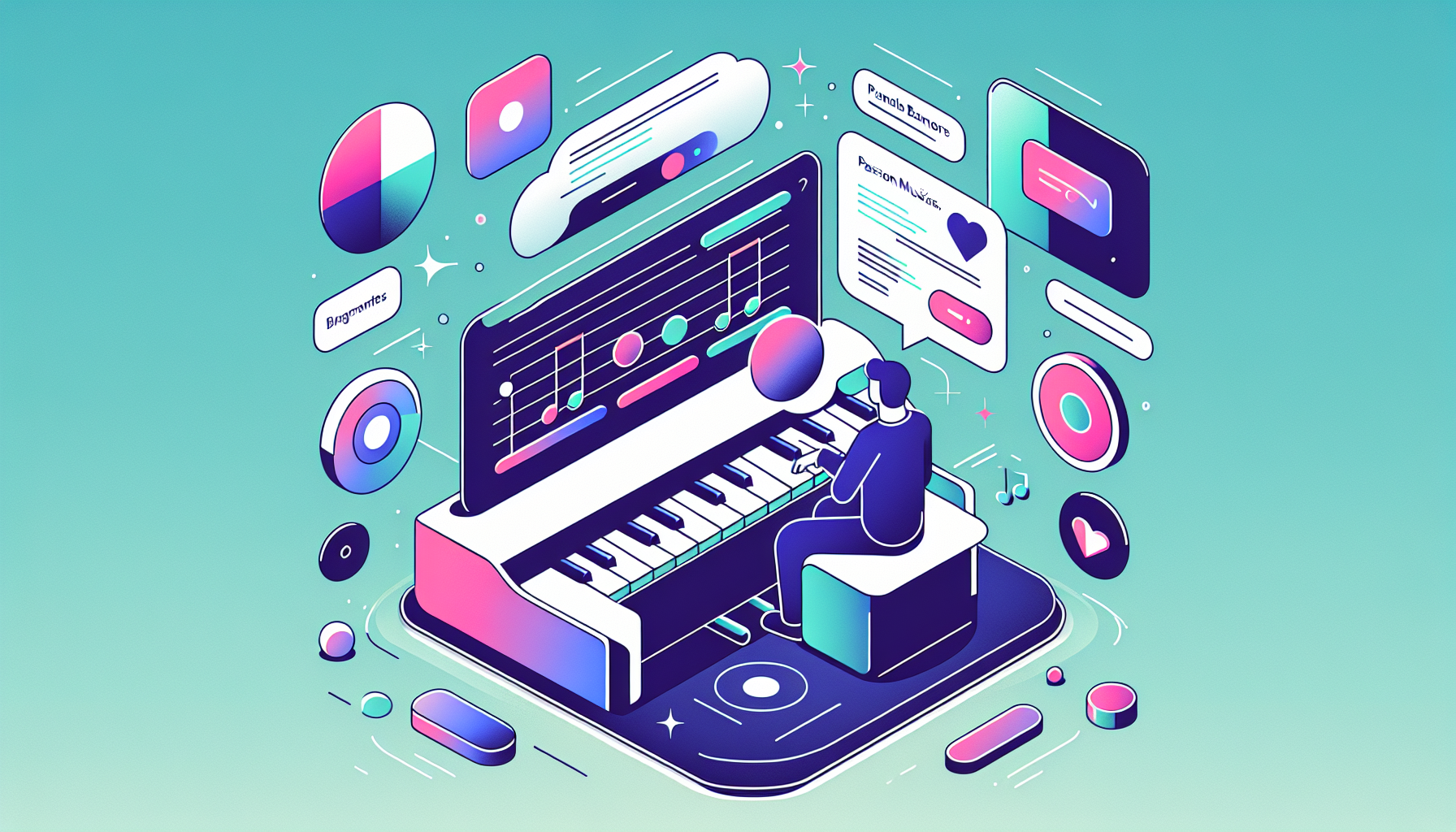
How Sonatico Transforms Piano Beginners into Passionate Musicians
Published · Updated
Discover how Sonatico's innovative platform helps beginners like Jerry transform into confident piano players, creating music and enjoying the process.
The Journey from Beginner to Enthusiast: Jerry's Story
Many adults hesitate to take up new hobbies, especially musical instruments, due to the perceived complexity. This was the case for Jerry, who initially joined the Sonatico platform at the behest of his wife. With no prior experience and a belief that playing piano was beyond his capabilities, Jerry embarked on a journey that would redefine his retirement years.
The Challenge of Beginning Piano
Like many beginners, Jerry found the prospect of using both hands on the piano daunting. The coordination required seemed an insurmountable barrier. However, Sonatico's step-by-step program, designed to take learners from absolute beginners to accomplished players, provided him with the structure and support needed to overcome these challenges.
How Sonatico Makes Learning Piano Accessible
Sonatico offers a unique approach that breaks down complex music theories into manageable lessons. This method not only makes learning accessible but also enjoyable. Here's how it worked for Jerry:
- Structured Learning: The program's structured approach allowed Jerry to progress at his own pace, ensuring he never felt overwhelmed.
- Hands-On Experience: With practical exercises, Jerry learned to coordinate both hands effectively, building confidence with each lesson.
- Diverse Genres: Sonatico encouraged Jerry to explore various musical genres, broadening his musical horizons and deepening his appreciation for different styles.
The Joy of Creating Music
With newfound skills, Jerry not only plays simple songs but also writes lyrics for blues tunes. This creative outlet has reinvigorated his passion for music and enriched his life in retirement. He enjoys personal growth through music, proving that age or initial skill level need not be barriers to learning.
The Benefits of Learning Piano in Retirement
The cognitive and emotional benefits of learning an instrument are well-documented. For retirees like Jerry, engaging in such stimulating activities can enhance mental acuity and provide a fulfilling way to spend time. Playing piano has become more than just a hobby; it's a meaningful part of Jerry's life that brings joy and satisfaction.
Join the Musical Journey
If Jerry's story inspires you, Sonatico might be the right fit for you too. Whether you're looking to start from scratch or refine your skills, the platform offers resources tailored to meet your needs. Visit the Sonatico teacher search page to find instructors who can guide you on your musical journey.
Related articles
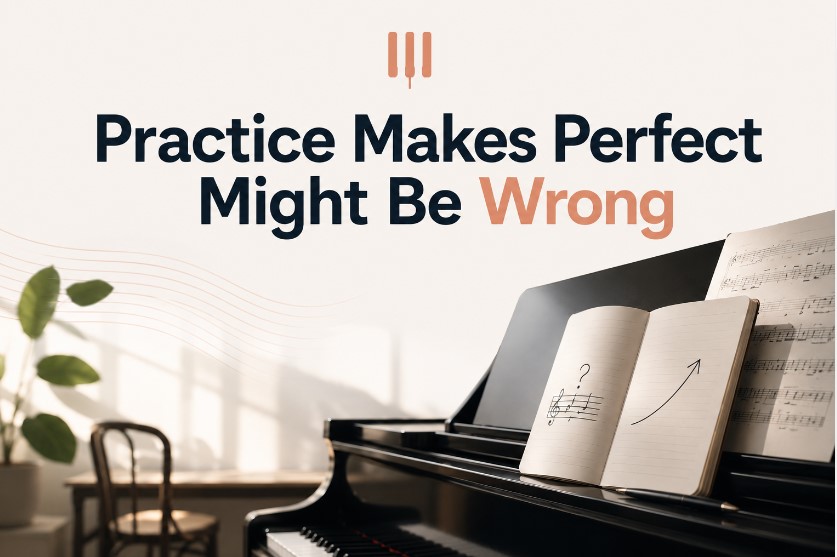
Practice Doesn't Make Perfect: Why Consistency Matters More in Music
Many musicians grow up believing that "practice makes perfect," but perfection is a moving target that can leave people feeling permanently unprepared. Music is less like an exam and more like a language: its purpose is communication, expression, and connection. The musicians who stay with music for life are often not those chasing perfection, but those who consistently return to their instrument--even for ten minutes a day--and allow music to become part of everyday life.
Administrator ·
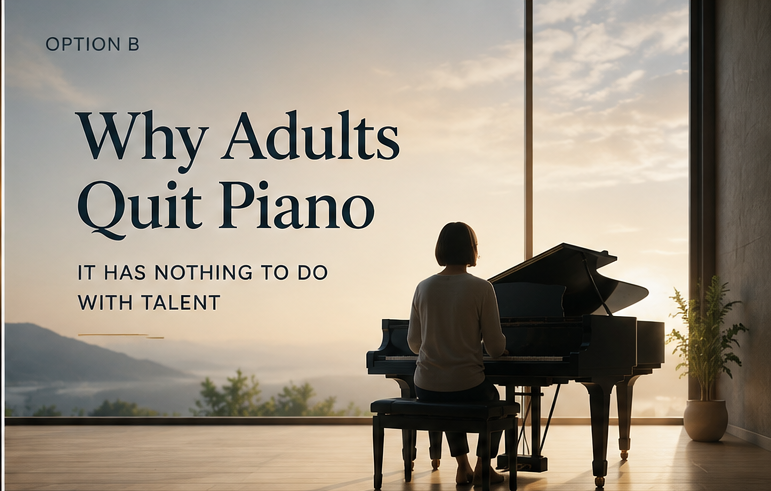
Why Adults Quit Piano (And Why It Has Nothing To Do With Talent)
Most adults who quit piano assume they lack talent, but the real problem is often the learning process itself. Many students spend months practicing scales, exercises, and theory without experiencing the thing that motivated them to start: making music. When students connect learning to real musical experiences early, motivation becomes natural and progress accelerates. The issue is rarely talent. More often, it's the order in which music is taught.
Amanda Sulivan ·
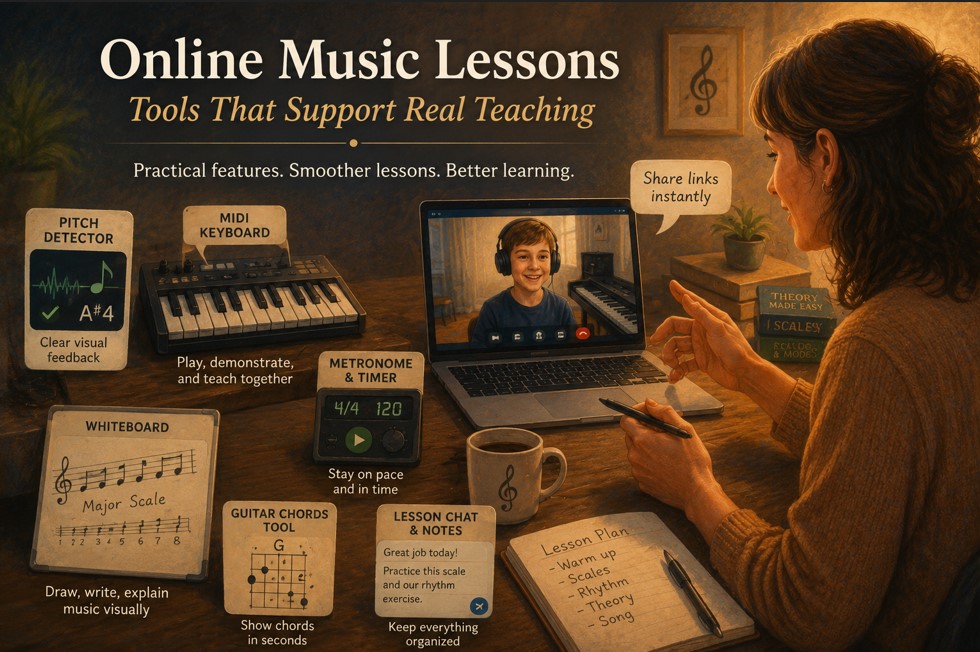
Music Teaching Tools That Actually Support the Lesson
Effective online music teaching depends not only on video calls, but on the tools surrounding the lesson itself. Integrated workflows such as MIDI keyboard support, pitch detection, metronomes, whiteboards, lesson chat, and music theory tools help teachers reduce friction and create a more natural teaching environment online.
Collin Braley ·
Conversation
No comments yet. Start the conversation.
Join the conversation