
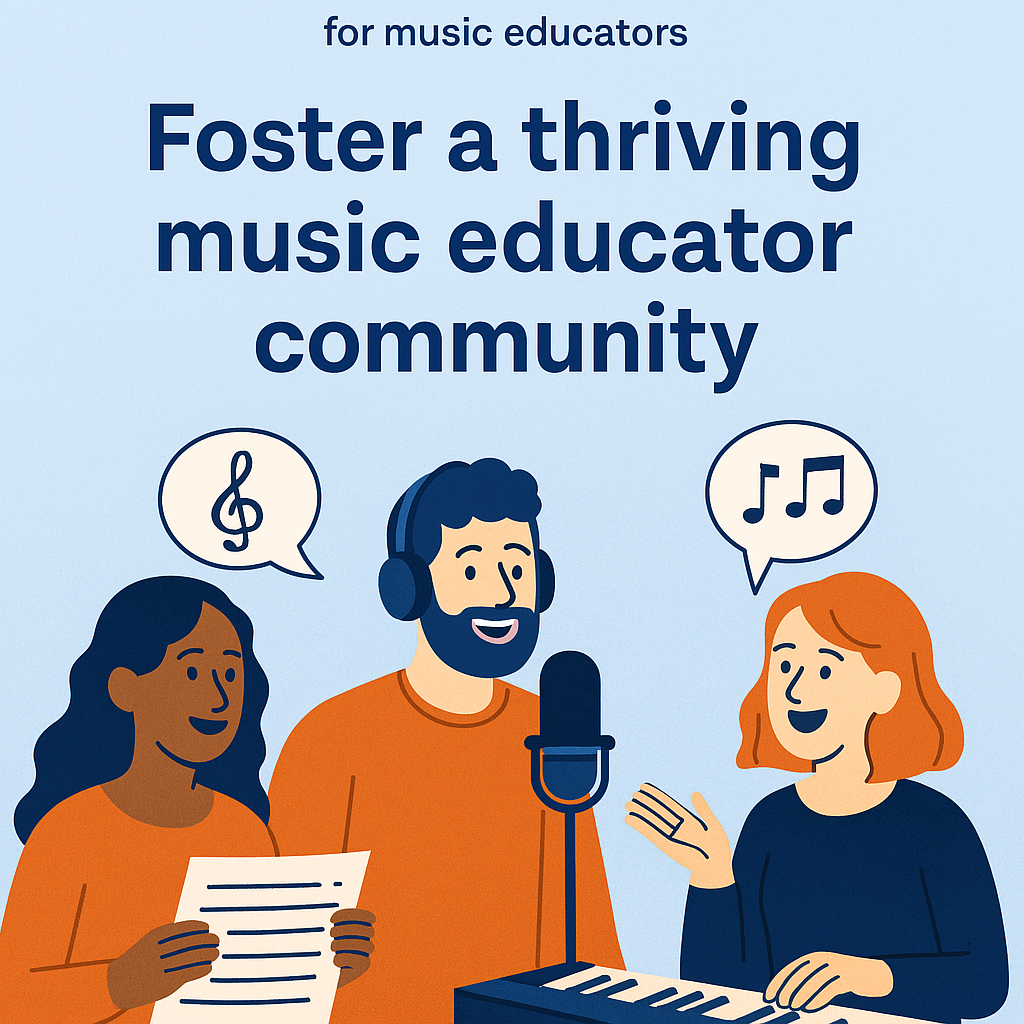
Welcome to Sonatico!
Published · Updated
Where music education, collaboration, and events meet in one seamless space
🎵 SONATICO Mission Statement
SONATICO empowers music educators to teach, create, and connect through an all-in-one platform built specifically for music education. We provide intuitive tools for live teaching, course creation, resource sharing, and event hosting -- helping teachers build meaningful careers, reach students worldwide, and grow together as a global music community. Whether sharing ideas, posting materials, or engaging in creative collaboration, SONATICO exists to support the evolving needs of music teachers and learners in the digital age.
A New Home for Music-Makers
Tired of jumping between video calls, file-sharing links, spreadsheets, and payment apps just to run a single lesson or competition? We were, too. Sonatico brings every tool a modern musician needs--live teaching, practice feedback, community, and event management--under a single login. No more patchwork workflows, just music.
Why We Built Sonatico
- Smoother Lessons: High-definition, low-latency video chat enhanced with an interactive piano, MIDI overlay, on-screen annotations, and built-in metronome.
- Happier Students: Gamified practice tasks and real-time AI feedback keep learners engaged between sessions.
- Simpler Events: Run contests, masterclasses, or festivals from signup to livestream without a single spreadsheet.
- Fair Monetization: Teachers control pricing, packages, and tipping--no hidden platform cuts.
Who Uses Sonatico?
- Teachers & Tutors looking for an all-in-one studio that feels purpose-built for music.
- Students & Hobbyists who crave feedback and fun practice tools rather than another blank Zoom window.
- Event Organizers running everything from local eisteddfods to global online festivals.
- Ensembles & Schools needing a private hub for rehearsals, resources, and progress tracking.
Built for the Future of Learning
- Powered by Modern Tech: Next.js + React front end, TypeScript safety, and Firebase scalability.
- Audio First: Custom WebRTC pipeline keeps latency below 65 ms.
- Privacy & Security: End-to-end encrypted lessons and GDPR-compliant data handling.
- Accessible Anywhere: Works in Chrome, Edge, and Safari--no installs, no dongles.
Join the Sonatico Community Today
Whether you're a seasoned pro, a curious beginner, or an event director juggling deadlines, Sonatico gives you back the most valuable resource of all: time to make music.
- Teachers: Create your free profile and import existing students in minutes.
- Students: Join the beta waitlist for our AI Practice Companion.
- Organizers: Book a demo to see how Event Hub can power your next competition.
Ready to re-imagine the way you teach, learn, and celebrate music?
Request an Invite and discover how effortless music-making can be.
Related articles
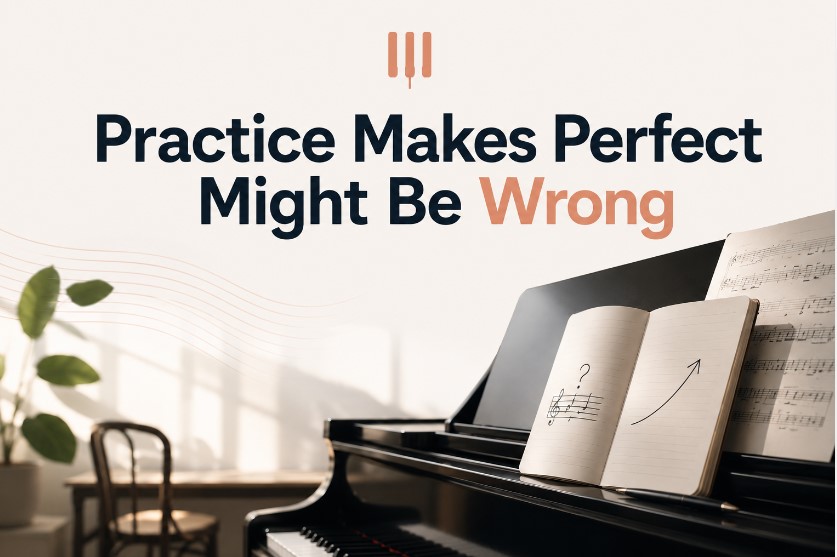
Practice Doesn't Make Perfect: Why Consistency Matters More in Music
Many musicians grow up believing that "practice makes perfect," but perfection is a moving target that can leave people feeling permanently unprepared. Music is less like an exam and more like a language: its purpose is communication, expression, and connection. The musicians who stay with music for life are often not those chasing perfection, but those who consistently return to their instrument--even for ten minutes a day--and allow music to become part of everyday life.
Administrator ·
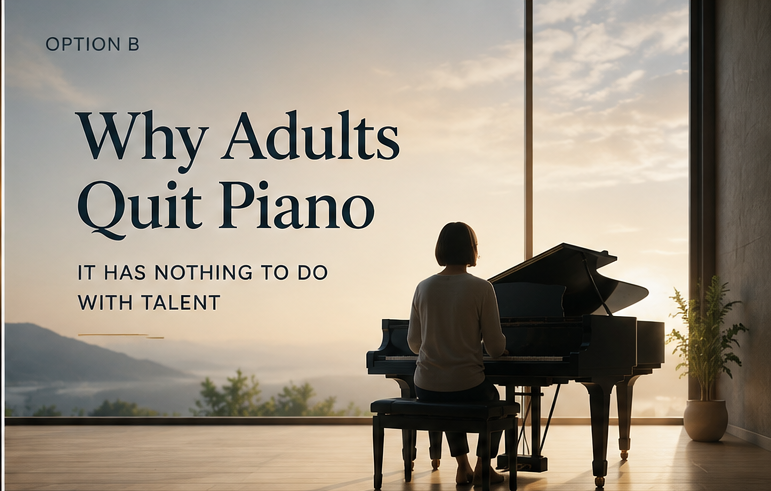
Why Adults Quit Piano (And Why It Has Nothing To Do With Talent)
Most adults who quit piano assume they lack talent, but the real problem is often the learning process itself. Many students spend months practicing scales, exercises, and theory without experiencing the thing that motivated them to start: making music. When students connect learning to real musical experiences early, motivation becomes natural and progress accelerates. The issue is rarely talent. More often, it's the order in which music is taught.
Amanda Sulivan ·
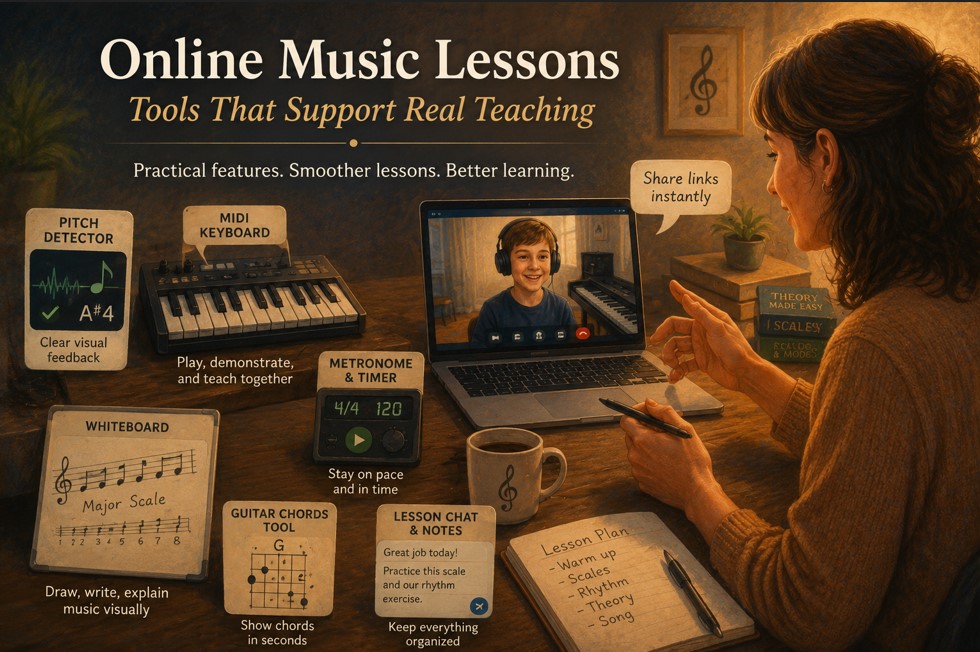
Music Teaching Tools That Actually Support the Lesson
Effective online music teaching depends not only on video calls, but on the tools surrounding the lesson itself. Integrated workflows such as MIDI keyboard support, pitch detection, metronomes, whiteboards, lesson chat, and music theory tools help teachers reduce friction and create a more natural teaching environment online.
Collin Braley ·
Conversation
No comments yet. Start the conversation.
Join the conversation