
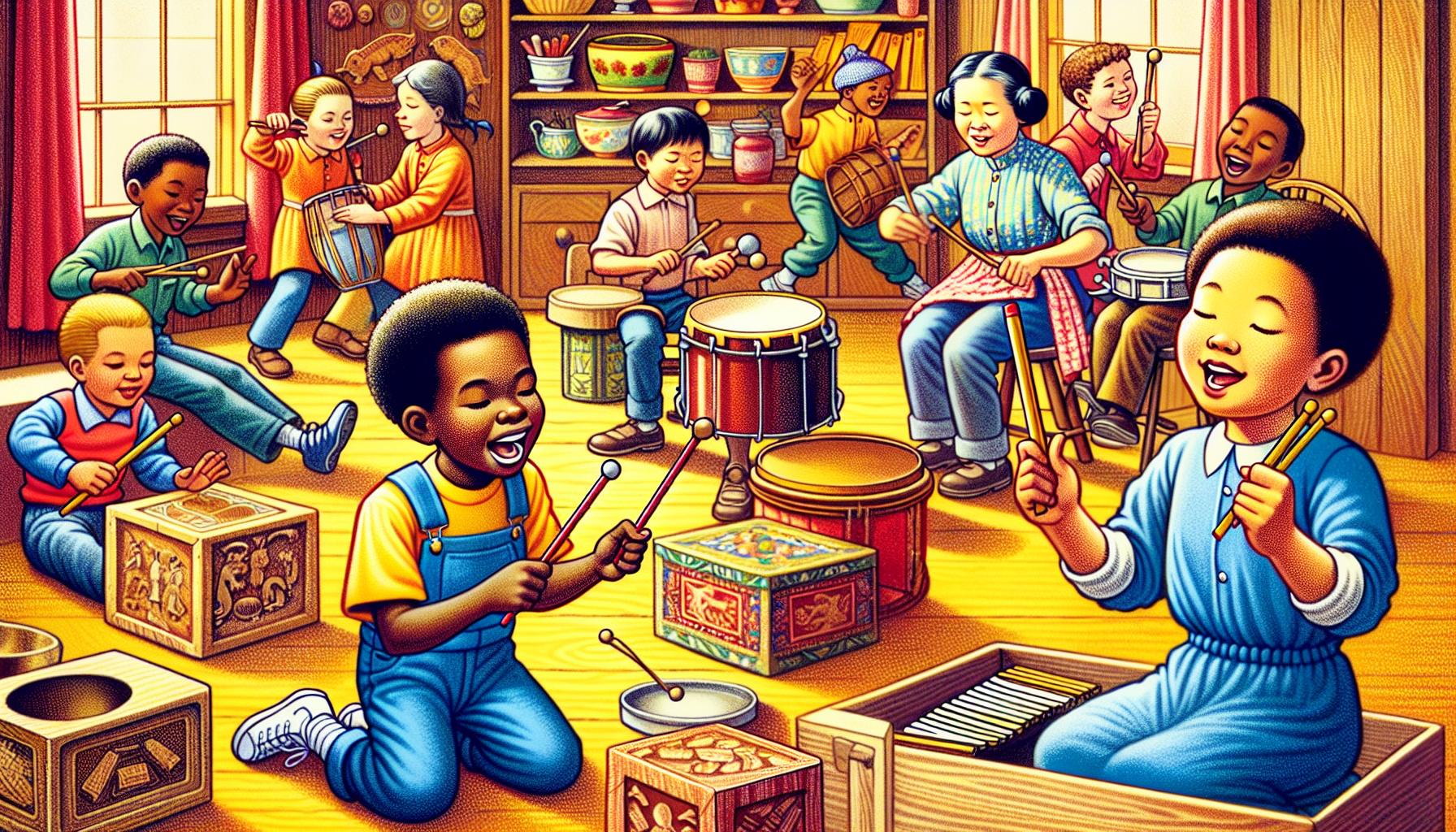
Five Fun Rhythm Games You Can Play With Household Objects
Published
Discover five exciting rhythm games you can enjoy at home using everyday items, perfect for enhancing musical skills and having fun with family and friends.
Unleash the Beat: Rhythm Games with Everyday Objects
Music is a universal language that transcends age and background, and rhythm is its heartbeat. The beauty of rhythm is that it doesn't require expensive instruments. With a bit of creativity, your home can become a musical playground. Here are five fun rhythm games you can play using everyday household objects.
1. Kitchen Symphony
Your kitchen is filled with potential music makers. Gather pots, pans, wooden spoons, and plastic containers to create a makeshift drum set. Assign each family member an instrument and experiment with different rhythms. Try mimicking popular tunes or create your own kitchen symphony!
2. Clap and Tap
This game is all about coordination and memory. Start with a simple clapping pattern, like clap-clap-tap (on the table). Gradually increase the complexity by adding more variations. The goal is to maintain the rhythm as it becomes progressively challenging.
3. Bottle Shakers
Create shakers using empty bottles filled with rice, beans, or pasta. Each item produces a unique sound, adding diversity to your rhythm ensemble. Use these shakers to keep time with your favorite songs or invent new rhythms together.
4. Rhythm Relay
This interactive game encourages teamwork and listening skills. One person starts a rhythm using their hands or an object, and each participant takes turns replicating it before adding their twist. The objective is to keep the rhythm chain going without breaking it.
5. Newspaper Drums
If you're looking for a softer sound, rolled-up newspapers make excellent drumsticks on a variety of surfaces like tables or chairs. Explore different dynamics by varying your drumming speed and intensity.
The Benefits of Rhythm Games
Playing rhythm games enhances musical skills such as timing, listening, and coordination. They also nurture creativity and provide a fantastic way to bond with family and friends. Best of all, these activities require no special equipment--just imagination and enthusiasm!
Learn MoreRelated articles
Why Music Teachers Should Remain Active Professional Musicians
The best music teachers never stop being musicians. Active performance enriches teaching, while teaching develops the skills that help musicians continue growing throughout their careers.
John Lettieri ·
Practice Doesn't Make Perfect: Why Consistency Matters More in Music
Many musicians grow up believing that "practice makes perfect," but perfection is a moving target that can leave people feeling permanently unprepared. Music is less like an exam and more like a language: its purpose is communication, expression, and connection. The musicians who stay with music for life are often not those chasing perfection, but those who consistently return to their instrument--even for ten minutes a day--and allow music to become part of everyday life.
Administrator ·
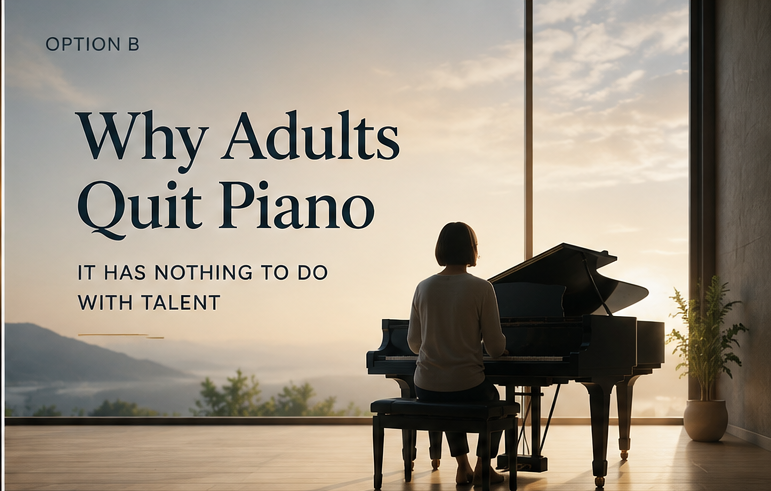
Why Adults Quit Piano (And Why It Has Nothing To Do With Talent)
Most adults who quit piano assume they lack talent, but the real problem is often the learning process itself. Many students spend months practicing scales, exercises, and theory without experiencing the thing that motivated them to start: making music. When students connect learning to real musical experiences early, motivation becomes natural and progress accelerates. The issue is rarely talent. More often, it's the order in which music is taught.
Amanda Sulivan ·

Conversation
No comments yet. Start the conversation.
Join the conversation