
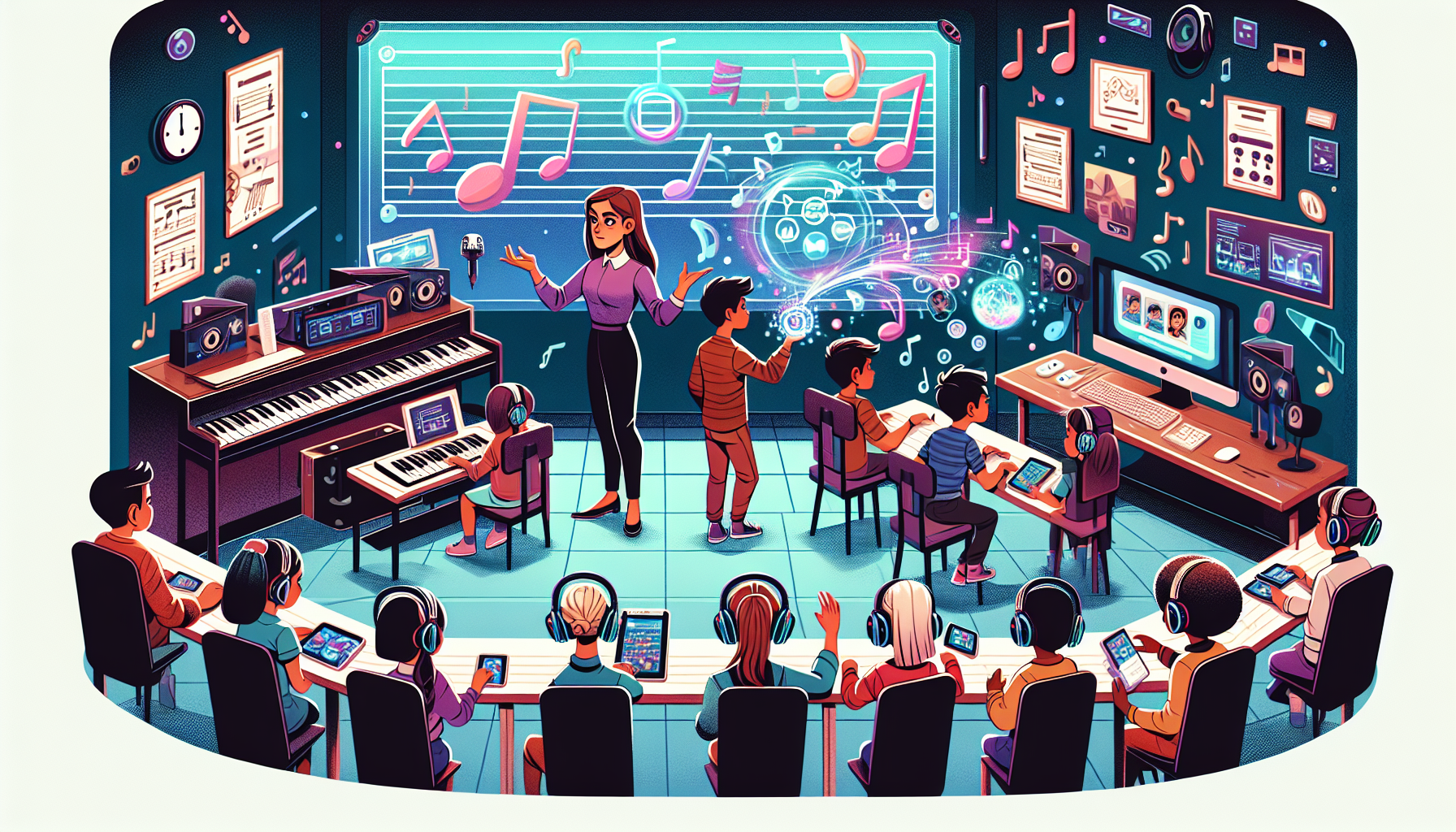
The Future of Music Education: Embracing Innovation and Technology
Published
Explore how technology and innovation are reshaping music education, offering new opportunities and challenges for students and educators.
The Evolution of Music Education
Music education has been a fundamental part of human culture for centuries. Traditionally focused on developing skills through hands-on experience and mentorship, the field is now undergoing a significant transformation. As technology advances, new tools and methodologies are emerging, reshaping how we teach and learn music.
The Role of Technology in Music Education
Technology offers unprecedented opportunities for enhancing music education. From online platforms to digital instruments, the landscape is constantly evolving. With the integration of apps and software, students can now access a vast array of resources at their fingertips. These tools not only make learning more accessible but also cater to different learning styles.
Online Platforms and Virtual Learning
One of the most significant changes in music education is the shift towards online learning. Platforms like Sonatico have made it easier for students to connect with teachers worldwide, breaking down geographical barriers. These platforms provide students with personalized lessons tailored to their needs.
Find a TeacherInteractive Learning Tools
Interactive tools such as digital sheet music, virtual pianos, and rhythm training apps are revolutionizing practice sessions. They offer immediate feedback, allowing students to refine their skills more efficiently. This gamification approach makes learning both fun and effective, engaging students in new ways.
Innovation in Music Creation
The technology not only aids in learning but also in creating music. Digital audio workstations (DAWs) empower budding musicians to compose and produce music with minimal equipment. This democratization of music production is opening doors for creativity that were previously limited by resource constraints.
The Impact on Educators
For educators, this technological revolution presents both opportunities and challenges. Teachers are now required to adapt to new teaching methods and continuously update their skills. However, they also have access to a wealth of resources that can enhance their curriculum and teaching effectiveness.
Learn MoreThe Challenges Ahead
While technology offers numerous benefits, it is not without its challenges. Ensuring equal access to resources remains a concern, as not all students have the same level of access to technology. Moreover, there is a risk that the personal connection inherent in traditional music education could be diminished in a virtual environment.
The Future Outlook
The future of music education looks promising as technology continues to innovate. By embracing these changes while addressing the accompanying challenges, educators can create a balanced approach that maximizes the benefits for students worldwide.
In conclusion, as we look ahead, it is crucial to embrace these innovations while ensuring that the core values of music education—creativity, expression, and personal growth—remain at its heart.
Related articles
Why Music Teachers Should Remain Active Professional Musicians
The best music teachers never stop being musicians. Active performance enriches teaching, while teaching develops the skills that help musicians continue growing throughout their careers.
John Lettieri ·
Practice Doesn't Make Perfect: Why Consistency Matters More in Music
Many musicians grow up believing that "practice makes perfect," but perfection is a moving target that can leave people feeling permanently unprepared. Music is less like an exam and more like a language: its purpose is communication, expression, and connection. The musicians who stay with music for life are often not those chasing perfection, but those who consistently return to their instrument--even for ten minutes a day--and allow music to become part of everyday life.
Administrator ·
Why Adults Quit Piano (And Why It Has Nothing To Do With Talent)
Most adults who quit piano assume they lack talent, but the real problem is often the learning process itself. Many students spend months practicing scales, exercises, and theory without experiencing the thing that motivated them to start: making music. When students connect learning to real musical experiences early, motivation becomes natural and progress accelerates. The issue is rarely talent. More often, it's the order in which music is taught.
Amanda Sulivan ·


Conversation
No comments yet. Start the conversation.
Join the conversation